Blog
Dental hygiene tips for healthy teeth & gums
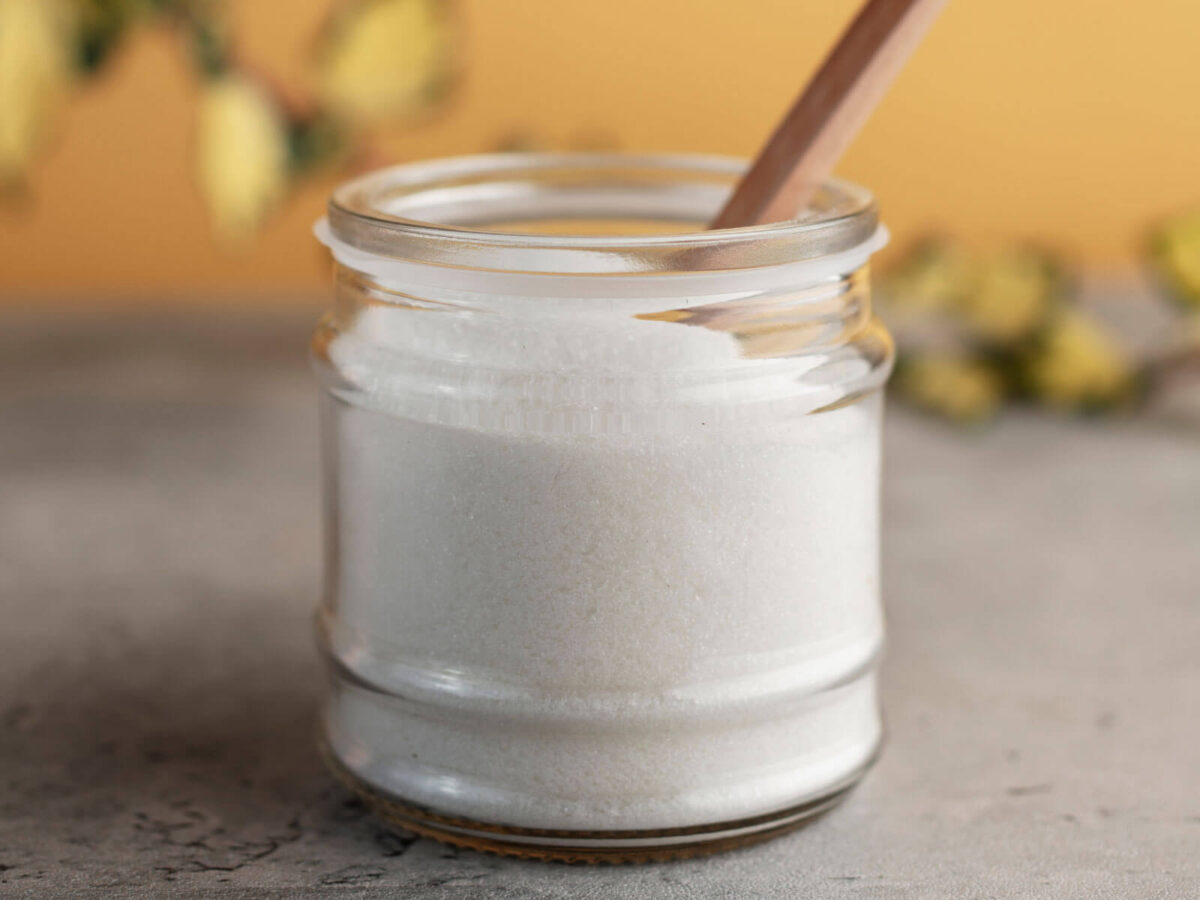
Xylitol for Teeth: Benefits, Risks, and What Dentists Recommend
Xylitol for teeth has been a topic in dentistry for longer than most people realise. It started showing up in cavity research decades ago and has been in dental products ever since. Most people first notice it on a piece of gum. It is in toothpastes and mouth rinses, too.
Researchers kept coming back to the oral bacteria angle. Turns out xylitol does not feed them the way regular sugar does. Decades of studies followed. Is xylitol good for your teeth? Still worth looking at properly rather than just taking the gum packet’s word for it.
What Is Xylitol
Sugar-free gum is probably where most people have come across it. A sugar alcohol by nature, found in small amounts in some foods but mostly produced commercially for use in dental products. The sweetness is not the interesting part, though. Bacteria in the mouth feed on sugar. The acid they produce in the process is what causes tooth damage.
Xylitol throws a spanner in that process. The bacteria cannot do the same thing with it, and that is why xylitol for teeth has decades of serious research behind it.
Why Does Xylitol Keep Appearing In Dental Products
Plenty of ingredients cycle through oral health products and disappear. Xylitol has not, and the cavity research is a big part of why. The results kept coming back interesting enough to justify their place in gum, toothpaste, and mouth rinses.
Gum is probably where most people encounter it. Chewing produces saliva. Saliva does a lot of quiet protective work in the mouth. Xylitol for teeth ended up in that conversation and never really left.
What Does Xylitol Do For Teeth
It comes down mainly to bacteria. Streptococcus mutans keeps showing up in the research. Heavy hitter when it comes to tooth decay, and regular xylitol exposure seems to bring its numbers down in the mouth over time.
A review in the Cochrane Database of Systematic Reviews sifted through the evidence on xylitol products and cavity prevention. Studies landed in different places. The bacteria angle kept holding up, though, which is why it stayed worth investigating.
Saliva stimulation comes up alongside this, too. Chewing produces saliva. Saliva buffers acids. That combination is probably why xylitol gum gets recommended as regularly as it does.
What Are The Main Xylitol Benefits For Teeth
When it comes to xylitol benefits for teeth, cavity prevention and saliva stimulation are what the research keeps landing on. The bacteria connection drives most of the cavity conversation, with saliva adding another layer to it.
Plaque gets a mention in some studies too, though the evidence there is patchier than the cavity research. Less consistent, harder to draw firm conclusions from.
Dry mouth is another area where xylitol products come up, particularly gum and lozenges. Anything that gets saliva moving tends to be useful in that context.
Most research treats xylitol as one part of a broader preventive routine. Brushing still matters. So does fluoride, and keeping up with dental appointments. Xylitol is part of that picture, not a replacement for any of it.
Is Xylitol Good For Your Teeth
Generally, yes, though it depends on how much you use and how often. The ADA has weighed in on sugar-free gum being useful for saliva and cavity risk. Xylitol gum gets discussed in that context a lot.
Amount and frequency matter more than most people realise. Chewing one piece here and there is not going to do much. The research that showed real benefits had people using xylitol products regularly throughout the day, not occasionally.
Brushing still needs to happen. So does flossing. Xylitol is useful, just not that useful.
Are There Any Risks Or Side Effects Of Xylitol
Most people tolerate xylitol for teeth products fine. The amount matters a lot. A piece or two of gum is a very different situation from consuming large quantities throughout the day. Too much of any sugar alcohol can cause digestive issues. Bloating, loose stools. Xylitol is no different in that respect. Normal use rarely causes problems.
One thing that catches people off guard is how dangerous xylitol is for dogs. Not mildly bad. Genuinely toxic, even in small amounts. Worth knowing if there are pets in the house.
Is Xylitol Safe For Everyday Use
For most people, yes. Xylitol for teeth products have been around for decades, and the FDA recognises xylitol as safe in food products. It has been in dental products long enough that the safety questions have largely been answered.
Researchers tend to spend more time asking whether it works than whether it is safe. That says something. Nobody is treating it as experimental or controversial at this point.
Digestive tolerance does vary, though. Some people find that larger amounts cause discomfort. Starting with less and seeing how it goes is sensible for anyone who has not used xylitol products much before.
How Much Xylitol Is Typically Used In Research Studies
People want actual numbers rather than vague guidance. Fair enough. Most cavity-prevention studies have looked at somewhere between 5 and 10 grams a day, spread across several exposures rather than taken in one go. Chewing gum has been the most common way researchers delivered xylitol for teeth in those studies.
Timing came up in several studies, too. Using xylitol after meals rather than at random points through the day seemed to matter in some of the research.
A review in Clinical Oral Investigations found that benefits showed up in studies involving regular daily exposure. One piece of gum every few days is not going to get you the same results.
Does the Xylitol in Gum Make a Real Difference
This one still generates debate. Some researchers focus specifically on what xylitol does to oral bacteria. Others point out that chewing sugar-free gum in general produces saliva, and saliva does useful work in the mouth regardless of the sweetener.
Pulling apart the xylitol effect from the chewing effect is not easy, and studies handle it differently. Results end up all over the place as a consequence.
Xylitol for teeth has more research behind it than most sweeteners in dentistry. Whether it clearly outperforms plain sugar-free gum is genuinely still up for debate. Both are better than regular gum. Xylitol just has more going on under the hood.
FAQs
Does xylitol do anything for bad breath?
It comes up in that context occasionally. Reducing bacteria in the mouth can have an effect on breath, and xylitol for teeth does influence bacterial levels. Nobody markets it for bad breath specifically, but the logic is there.
Xylitol in toothpaste vs xylitol in gum — is there a difference?
The bacterial interaction is the same. The delivery is different, though. Gum involves chewing, which gets saliva going. Toothpaste does not. Same ingredient, different experience in the mouth.
Can kids use xylitol products?
Yes. It shows up in children’s toothpastes and has been looked at in younger age groups. Too much can cause digestive discomfort, same as adults. A dentist or paediatrician can advise on specifics.
On medication — does xylitol cause any issues?
Not for most people. Blood sugar-related medication is the one area worth flagging to a doctor. Insulin response can be mildly affected by xylitol. Worth a conversation with whoever prescribed the medication.
How long before xylitol makes a difference? Weeks to months, based on the research. Regular daily use over time is what those studies looked at. Do not expect anything noticeable after a week of chewing xylitol gum.
Conclusion
Xylitol for teeth has been around in dentistry long enough that the research behind it is fairly substantial. The cavity prevention research has held up well enough to take seriously. The bacteria connection is real. Saliva stimulation adds to it. Ingredients that do nothing do not attract decades of research.
For most people, xylitol is great. Amount and frequency matter more than most people realise, though. One piece of gum occasionally is not going to replicate what the studies found. Regular daily exposure is what moved the needle in the research.
Brushing still matters. Fluoride still matters. Xylitol sits alongside those habits, not instead of them. Already a gum chewer? Switching to a xylitol version is one of the easier oral health swaps there is. Worth bringing up with your dentist if you are not sure where it fits.