Blog
Dental hygiene tips for healthy teeth & gums
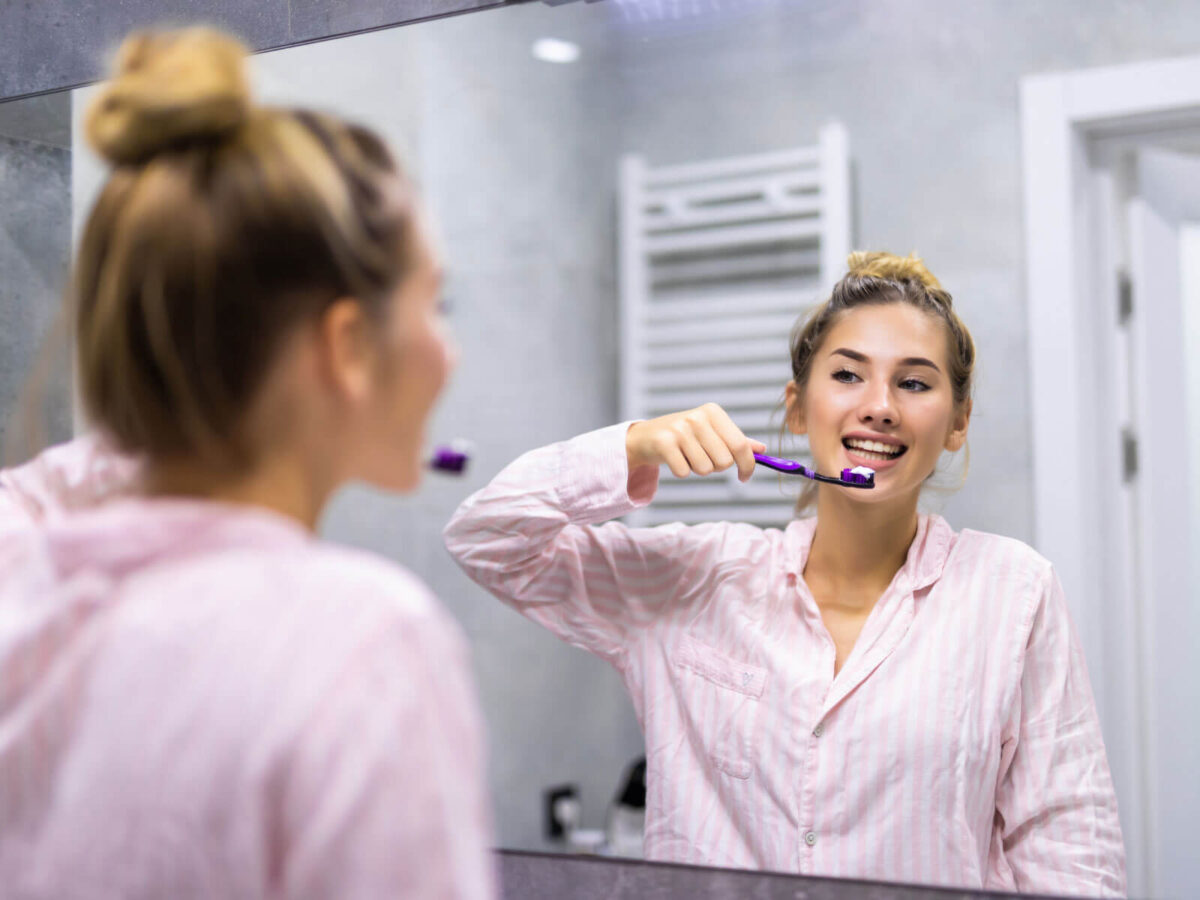
How to Brush Your Teeth With Braces: Step-by-Step Guide
How to brush teeth with braces isn’t something most people think about until the brackets are actually on and their old thirty-second scrub-and-go just stops working. Straight brushing habits don’t reach half the surfaces that wires and brackets create.
My brother had braces a few years back. What actually changed his results, he told me, wasn’t a fancy toothbrush or some gadget. It was just slowing down. Before braces, he was in and out in under a minute. After, once he committed to a full two minutes at the right angle, his checkups got noticeably better.
TL;DR
Brushing with braces comes down to technique more than tools. Rinse first to knock loose the bigger stuff, then angle the brush at 45 degrees, above and below each bracket, not straight on. Slow down and work tooth by tooth, two full minutes minimum, not a rushed thirty seconds.
The brush itself matters less than expected, though a soft-bristled option shaped for orthodontic use, with that slight dip to wrap around brackets, is a solid default pick. Electric works too. Whatever gets used consistently, every day without fail, is the right call. Full steps, toothbrush picks, common mistakes, and the electric-vs-manual breakdown are all below.
Why Does This Even Need a Different Approach
Brackets and wires trap food in places a normal brushing pattern just doesn’t reach. Left alone, that turns into cavities, gum irritation, and permanent white spots where the enamel demineralizes right under a bracket, spots that stick around long after the braces themselves are gone.
MouthHealthy, the ADA’s oral health site, recommends a 45-degree angle against the gumline with short, tooth-wide strokes as the standard technique for everyone, braces or not. With braces, that angle has to happen twice per tooth. Once above the bracket. Once below it. There’s no single pass that reaches both sides at once.
The Actual Steps
Swish some water around before you brush. Anything left sitting on the teeth after a meal comes off a lot easier that way, and the brush does a better job once the bigger debris is already gone.
Angle the brush the right way. Bristles point up toward the gumline for the top half of each bracket, then flip down for the bottom half. Food tends to collect right in those ledges above and below the bracket, which is exactly why the angle matters.
Go tooth by tooth. I know it sounds tedious, and honestly it kind of is, but a few real seconds per tooth beats sweeping across three or four at once every time.
Don’t skip surfaces. Outside, inside, chewing surface, all of it needs real attention. Not just the front where everyone can see the brackets.
Actually brush for two minutes. Set a timer if you have to. Two minutes is longer than it feels, especially once you’re covering all the extra bracket real estate.
Check yourself in a mirror when you’re done. Look for anything still stuck around a bracket. A small handheld mirror helps a lot more than the bathroom mirror alone, especially for back teeth you can barely see otherwise.
What Are the Most Common Brushing Mistakes With Braces
Brushing too fast is the big one. Two minutes feels long the first few times, so it quietly shrinks to ninety seconds or less without anyone really noticing.
Skipping the angle change is another. Straight-on brushing still cleans the flat parts of a tooth fine. It’s the space right above and below each bracket that gets missed.
Pressing too hard is less obvious but common. Extra force isn’t the fix. The right angle and enough time are. A bracket doesn’t need to be scrubbed hard, and doing so tends to irritate gums more than clean anything.
The back teeth get skipped too, more often than people realize. Front teeth get attention because they’re visible in a mirror. Molars, especially the very back ones, are easy to rush through or forget entirely.
Want a Second Set of Eyes on Your Cleaning Routine?
Get personalized tips from your orthodontist. A quick visit can make the whole routine easier.
What’s Actually the Best Toothbrush for Braces
Bristle shape matters more than brand name here. Look for bristles that dip in the middle instead of sitting flat and even, sometimes marketed specifically as an orthodontic brush. That dip wraps around brackets instead of just gliding across the top of them.
Whatever gets chosen, swap it out every three months, sooner if the bristles start looking worn down. That happens faster with braces than without.
Toothpaste matters less than people assume. The ADA recommends fluoride toothpaste for anyone with braces, since enamel around the brackets is already under more stress than usual. Beyond that, brand and flavor come down to preference.
Should You Actually Use an Electric Toothbrush With Braces
Either one works, manual or electric, as long as the technique stays consistent. A lot of people find electric easier once braces are involved, less relying on an arm to get the angle right, more of that handled by the brush itself.
The 45-degree angle still matters either way. With electric, roughly 30 seconds per quadrant is enough, since the brush is doing the actual work instead of a hand rushing through it. A smaller brush head helps too. A bulky head has a harder time getting around brackets without missing spots.
Worth a heads-up: vibration can feel stronger than expected right around a fresh set of brackets. Starting gentle for the first few days beats going full pressure on day one.
So What’s the “Orthodontic Brushing Technique” People Talk About
It’s really just the standard 45-degree method, adapted for extra surfaces. Instead of one pass per tooth, braces call for two. The bracket blocks a straight line from hitting both above and below at once, so each half gets its own angle, one aimed up toward the gumline, one flipped down.
Some orthodontists also suggest a lighter, more deliberate motion right around the brackets specifically, closer to gentle picking than aggressive scrubbing. The goal is dislodging what’s trapped, not scrubbing hard the way someone might attack a stubborn stain elsewhere.
FAQ
How long should brushing actually take with braces?
A few minutes longer than before, mostly from the extra angling. Two minutes minimum, sometimes closer to three or four if you’re being thorough.
Manual or electric, which is actually better for braces?
Neither, really. Both work fine as long as the angle and timing stay consistent. Electric just makes the consistency part a little more automatic.
What happens if I don’t change my technique after getting braces?
Plaque builds up faster around the brackets. That’s usually where cavities and gum irritation start, along with the permanent white spots that show up once the braces come off.
Is special toothpaste necessary with braces?
Not a special one, no, but stick with fluoride toothpaste regardless. It’s doing extra work protecting enamel that’s already under more strain than usual.
Conclusion
There isn’t much to it once the angle clicks. Two full minutes, above and below each bracket, tooth by tooth instead of a fast sweep. That’s how to brush teeth with braces actually plays out, once someone actually commits to it instead of brushing the way they always did.
Expect a rough first week or two. Slower brushing, a bit of fumbling with the angle – that’s normal before it settles into something automatic.
Bleeding gums or ongoing irritation past that first month or two isn’t something to just wait out. Worth a mention at the next orthodontist visit.
Want Personalized Brushing Guidance?
Get hands-on tips at your next visit. We’ll help you find a routine that actually works for your braces.