Blog
Dental hygiene tips for healthy teeth & gums
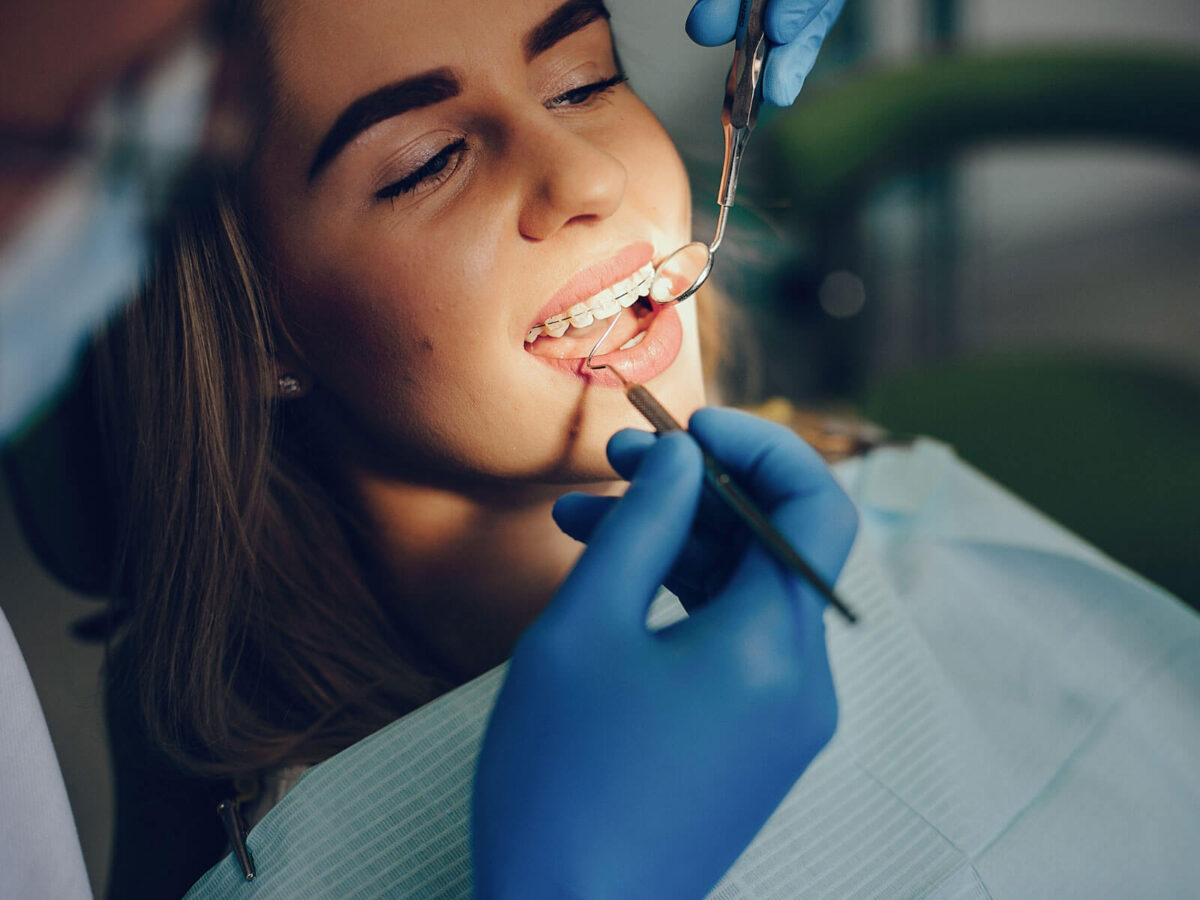
Adult Orthodontics: Treatment Options for Straightening Teeth
Many adults notice tiny shifts in their smile over time. Teeth move slowly. A gap appears here, a crowding shows up there, and it starts to niggle at confidence. That nudge is often the first step toward exploring adult orthodontics.
More adults are choosing treatment now than before. The American Association of Orthodontists reports that about one in three orthodontic patients is an adult. People now expect subtlety and speed. They want treatments that do not dominate a professional image or family time, and that demand shaped how appliances and payment plans developed.
What Is “Adult Orthodontics”?
With adult orthodontics, teeth are straightened, and bite concerns are treated after the growth stage is over. Teeth still respond to steady forces. The process is slower than in youth, but it is effective and predictable when planned right.
Good planning considers gums, bone, and any existing dental work. A healthy mouth makes movement safer. Planning often includes small, practical steps; a checklist of gum health, minor restorations, and scheduling that works around busy weekdays. Clinical discussions on function and periodontal outcomes are available.
Why Adults Consider Adult Orthodontics
A straighter smile often changes how a person feels in a room. It can make faces look younger. It can make photos less worrisome. Cosmetic reasons matter a lot.
Health reasons matter too. Crowded teeth trap plaque. Uneven bites can wear down certain teeth and cause jaw strain. Aligning teeth can ease cleaning and reduce those stresses. For many people, this means fewer visits to treat cavities. It can also make flossing in tight spaces feel less stressful.
Do Metal Braces Still Work for Adults?
Metal braces continue to offer strong control when teeth need careful movement. Brackets attach to each tooth, while the wire guides them gradually into better positions. This setup makes it possible to correct rotations, crowding, and larger alignment changes. For that reason, braces are still a common choice in many adult orthodontics cases.
Modern brackets are smaller than the older styles people remember. They also tend to feel smoother. Many patients expect them to be bulky at first. Most adjust fairly quickly, though. After a couple of weeks, a routine usually forms. The braces begin to feel like a normal part of the day.
Clear Aligners as a Discreet Choice
Clear aligners guide teeth into place with thin plastic trays. The trays are almost invisible when worn. People often like that they can remove them while eating or during meetings. Adults who travel or speak publicly have that flexibility.
Success depends on wearing them most of the day. Providers typically plan movement digitally and show a projected outcome.People often bring notes to appointments comparing features, which helps make the choice more personal and practical.
Ceramic and Lingual Options
The brackets in ceramic braces are made from tooth-colored material. This helps them look less noticeable against natural enamel. The movement of teeth still happens through steady pressure from fixed appliances. Many people choose them because they are harder to notice in daily life. Lingual braces work differently. They sit behind the teeth instead of the front. Good cleaning habits help ceramic brackets keep their appearance.
Why Is Adult Orthodontics Cost Not Always the Same?
The final cost is not always the same. Appliance type, tooth movement difficulty, and treatment length often play a role.
Location can matter too. Premium aligners and custom lingual braces usually cost more than standard metal braces. Many consumer guides place full treatment somewhere between three and ten thousand dollars.
Insurance or payment plans may reduce the amount someone pays. A written estimate can make the expected cost clearer. It also helps prevent unexpected charges later.
A clear fee sheet that lists diagnostics, appliance costs, and retainers makes comparing clinics straightforward and fair.
Who Is A Candidate
Most adults with controlled gum disease and reasonable bone support can consider treatment. Periodontal issues should be addressed first. Implants and crowns change the planning and may require collaboration across specialists.
A consultation with imaging and a gum exam clarifies candidacy. It also sets realistic goals based on what the mouth can support and what the patient expects. When goals are realistic, satisfaction at the end of treatment rises, and retainer use is more likely to be followed.
The Treatment Journey
Treatment often begins with diagnostics. Photos are taken. X-rays and digital impressions are collected as well. These records help the clinician build a treatment plan. The plan explains appliance options, expected timing, and follow-up visits.
After that, the active stage of adult orthodontics begins. Teeth shift through scheduled adjustments or aligner changes. Some soreness may follow adjustments. Most adults find it short and manageable.
Living With Appliances
Most patients get used to orthodontic treatment fairly quickly. The first few days feel different. Eating can take some adjustment when braces are involved. Certain foods simply become harder to manage. Aligners also come with their own routine. They need steady wear and regular cleaning to stay clear. Some people notice small speech changes at first. This happens more often with lingual systems placed behind the teeth. Usually, it fades with time.
Daily care tends to become more intentional during treatment. Brushing may take a little longer around brackets or attachments. Flossing can feel slower at first. Cleaning aligner trays matters too. Regular dental care still continues during orthodontic treatment. That helps existing dental work stay stable as teeth slowly shift.
Retention And Long-Term Stability
After active treatment, retainers protect the result while bone and soft tissue adapt. Some retainers are removable and easy to clean. Others are fixed behind the front teeth and work silently.
Many people wear them full-time for a few months. After that, it often changes to night use only. Following retention guidance reduces the chance of relapse and preserves both look and bite. A retainer is a small habit that pays big dividends over time. Even occasional night wear after the first year helps protect the result.
FAQs
How much can adult orthodontic treatment cost?
Prices vary. Prices vary quite a bit. Many treatments fall between three thousand and ten thousand dollars. Custom lingual braces or premium aligners can raise the cost of adult orthodontics. A consultation usually gives a clearer estimate.
What Is the Usual Treatment Length for Adults?
Mild corrections can finish within a year. Many adult cases run between twelve and twenty-four months. Complex bite work may take longer and occasionally involve other dental specialities.
Are Results Permanent For Adults?
Results can last when retainers are worn as instructed. Teeth do shift naturally over time. Retention is the bridge between finishing treatment and long-term stability.
Do Braces Help Oral Health Too?
Yes. Straighter teeth reduce crowded spots where plaque can hide. Bite pressure may spread more evenly too. That can lower wear and reduce jaw strain. Many clinics now offer virtual consultations to review scans before a visit.
It can help to meet with an orthodontic clinician first. During that visit, ask them to write out the treatment plan. The document should include a clear estimate of the cost of adult orthodontics. You can also request before and after examples from past patients. Ask for a detailed fee breakdown. It helps to ask about financing choices as well.
Arrive with a few questions prepared. Ask how retainers will be managed after treatment ends. Also, ask what follow-up care usually looks like. Planning ahead often makes treatment easier. Many patients say the final outcome feels surprisingly rewarding. Small daily routines during treatment matter more than people expect.
With time, these small steps help keep the results stable. Choosing the right clinic from the start can also prevent larger issues later on. Before starting adult orthodontics, it helps to feel confident in the dental team.