Blog
Dental hygiene tips for healthy teeth & gums
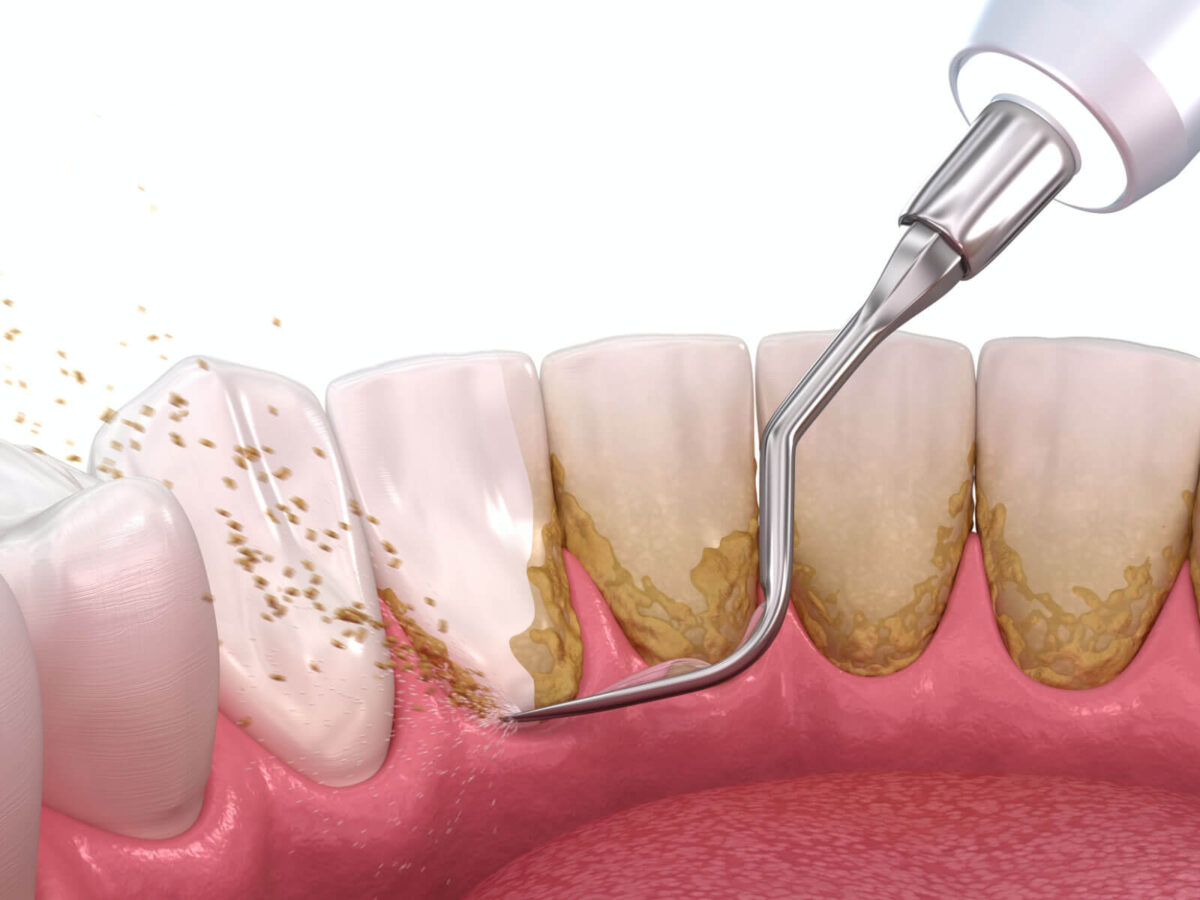
Professional Teeth Cleaning: Benefits and Importance
There’s nothing urgent about a cleaning most of the time. No pressure or buildup. You sit down, the tools come out, and you rinse a few times. It passes quickly. Nothing about it feels dramatic once you’re done.
But the benefits of teeth cleaning aren’t loud. They show up slowly. Right after the appointment, everything feels fresh. But the bigger effect isn’t something you notice in a single afternoon.
Daily brushing makes a difference. No question. But plaque doesn’t always stay where you can see it. It collects quietly in small areas and sticks around. After a while, it hardens, and at that point, brushing isn’t enough. That kind of buildup needs to be cleaned off in the dental chair.
Why Plaque And Tartar Matter More Than They Seem
Plaque starts out easy to remove. But when it lingers near the gums, it doesn’t stay soft for long. That hardened layer creates constant irritation. Gums don’t respond well to that. They become inflamed, sometimes bleed when brushing, and may feel sore. This stage is known as gingivitis. Left alone, the problem doesn’t just stay at the surface. It can spread beneath the gums and impact the bone around the teeth.
According to figures published by the CDC, close to 42% of Americans aged 30 and above show signs of periodontal disease. That number rises with age. [Source]
That statistic alone explains why the benefits of professional teeth cleaning aren’t just cosmetic. They’re preventive.
What Actually Happens During A Professional Cleaning
Many people picture scraping and noise. In reality, it’s more organized than most people realize.
First, your gums are checked. Then plaque and tartar are removed from around the teeth and slightly below the gumline. After scaling, the teeth are polished. The polishing smooths tiny irregularities on the enamel surface.
Why does smoothing matter? Because rough surfaces trap bacteria more easily. Smoothing the tooth surface reduces the spots where plaque tends to collect. That alone can make regular brushing more productive.
Findings from pooled research indicate that professional scaling contributes to reduced plaque accumulation and improved gum condition, especially alongside proper daily cleaning. [Source]
It’s not magic. It’s maintenance.
Benefits Of Teeth Cleaning Beyond Fresh Breath
Fresh breath is the obvious benefit. It’s also the least important one.
One of the real benefits of teeth cleaning is early detection. During a cleaning, small cavities can be spotted before they grow. Gum pockets can be measured. Old fillings can be checked. These small checks prevent larger treatments later.
Another benefit is reduced gum bleeding. Many people assume bleeding gums are normal. They aren’t. Gum bleeding is commonly linked to irritation from plaque. Cleaning that area thoroughly allows the gums to repair themselves.
There’s also growing research connecting gum health and overall health. While cause and effect are still studied, periodontal disease has been associated with cardiovascular conditions and diabetes. [Source]
That doesn’t mean a cleaning prevents heart disease. It does mean oral inflammation isn’t isolated from the rest of the body.
What Are The Lasting Benefits Of Teeth Cleaning?
In the short term, your mouth feels clean. Long-term, the effect compounds.
Regular cleanings reduce the risk of advanced gum disease. They lower the chances of tooth loss related to infection. They help preserve bone around the teeth.
Clinical research has repeatedly pointed toward a pattern: patients who maintain routine preventive visits often experience less severe periodontal progression. Early detection and plaque control appear to limit more serious structural damage. By contrast, pain-based visits are frequently linked to more advanced disease stages. [Source]
In simple terms, prevention costs less than repair.
How Often Is Enough?
You’ve probably heard the standard advice: come in every six months. And for a lot of people, that timing works just fine. But it isn’t a rule carved in stone.
Some patients seem to build tartar faster, even when they brush well. Others have dealt with gum disease before, or smoke, or manage conditions like diabetes. Those things change how the gums respond to plaque. In those cases, waiting half a year between visits might be too long.
That’s why some people are scheduled every three or four months instead. Others with stable gum health may not need that frequency. It really depends on what’s happening in your mouth, not on a calendar.
Professional Cleaning Vs. Home Care
Home care remains essential. Brushing twice a day and flossing regularly are what maintain stability from one appointment to the next. A cleaning in the dental office doesn’t replace those habits.
It’s more accurate to think of professional cleanings as periodic reinforcement. They remove hardened deposits and polish areas that are difficult to manage at home. Still, plaque begins forming again within hours. Without daily brushing and flossing, buildup returns quickly.
At the same time, no amount of brushing can remove tartar once it has formed. That requires professional instruments. Long-term gum health depends on both efforts working side by side.
Common Concerns About Professional Cleanings
Some people avoid cleanings because they’re worried it might hurt. That concern is understandable. When buildup has been sitting along the gumline for a while, scaling can feel a little sensitive in those areas. But that sensitivity doesn’t usually last. As inflammation settles and the gums begin to recover, future appointments tend to feel more comfortable.
Others skip visits for a different reason. Their teeth don’t hurt. Everything feels normal. From the outside, it seems unnecessary. The problem is that gum disease doesn’t always cause pain in its early stages. It can move forward quietly, without obvious warning signs.
It’s in situations like this that the benefits of professional teeth cleaning become clearer. Removing hardened deposits reduces the chance for inflammation to deepen. If cleanings are postponed repeatedly, minor concerns can grow into procedures that require more time and care. Preventive visits usually keep treatment straightforward.
FAQs
Do cleanings still matter if I brush every morning and night?
Brushing is important. Still, tartar doesn’t brush away once it forms. That’s where professional cleaning makes a difference.
How long do the effects last?
There isn’t one answer. Home care, diet, and individual buildup rates all play a role. Many patients do well at six months.
Does a cleaning whiten teeth?
It can improve brightness by clearing surface discoloration. It isn’t the same as whitening treatment.
Can cleanings completely prevent gum disease?
They reduce the likelihood, especially when done consistently. Prevention, however, also depends on daily habits.
Final thoughts
The benefits of professional teeth cleaning don’t usually feel dramatic. You won’t notice some big shift overnight. It’s more about what doesn’t happen later. Less buildup. Less irritation. Fewer surprises at future appointments.
It’s common for cleanings to fall off schedule. A missed appointment doesn’t mean something serious has happened, but buildup does continue in the background. When tartar sits along the gumline for too long, the gums don’t really get a break. They can stay swollen. Removing that buildup gives the tissue a chance to calm down. If damage progresses deeper beneath the gums, options become more complex. Addressing things earlier usually keeps care straightforward.