Blog
Dental hygiene tips for healthy teeth & gums
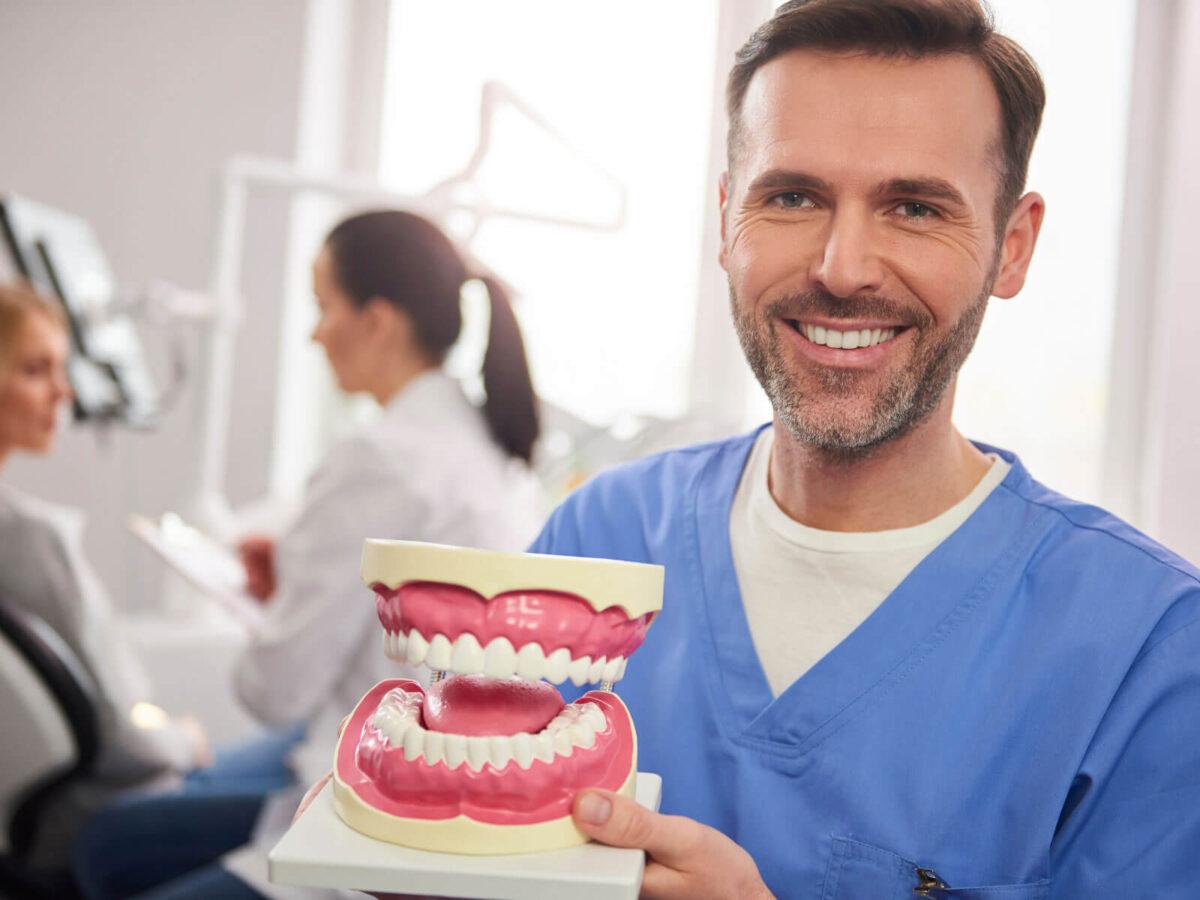
How to Tell If You Need Dentures: Signs and Treatment Options
It’s not common for someone to wake up and want dentures. The thought usually builds slowly. A loose tooth here. Difficulty chewing there. Passing on certain foods because they hurt.
Gradually, those small compromises build into a pattern. At some point, you wonder if it’s just a phase or genuine signs that you may need dentures.
People tend to associate dentures with aging, though the picture is wider. Tooth loss can stem from gum disease or decay that wasn’t treated in time. Trauma and some medical conditions may also be involved.
The Centers for Disease Control and Prevention notes that nearly 26% of people aged 65 and above have eight or fewer remaining teeth. And nearly 13% have lost all their teeth.
Tooth loss is not rare. It’s simply not always discussed openly.
When Ongoing Tooth Loss Becomes a Pattern
One missing tooth may not immediately signal the need for dentures. But repeated extractions can change the conversation. If multiple teeth have been removed over time, chewing efficiency decreases. The remaining teeth begin carrying more pressure than they were designed for. This imbalance can accelerate wear or loosen surrounding teeth.
Research shared by the National Institute of Dental and Craniofacial Research makes it clear that serious gum disease hasn’t stopped being a leading cause of tooth loss in adults. When losing teeth becomes a repeated issue instead of a one-time problem, it’s often an early indication that dentures may eventually be required. Patterns matter more than single events.
Why Difficulty Chewing Shouldn’t Be Ignored
One of the earliest functional signs is subtle chewing difficulty. Patients often compensate without realizing it. They chew only on one side. They avoid tougher foods. They cut food into smaller pieces. These adaptations feel practical at first. Over time, they may reflect declining stability in the mouth.
It’s not a small group. The American College of Prosthodontists reports that over 36 million Americans are fully edentulous. And around 120 million are living with one or more missing teeth.
At first, one missing tooth doesn’t really feel like such a big deal. You adjust. You chew on the other side. But over time, that adjustment becomes routine. Meals feel different. Harder foods get avoided. And little by little, your diet changes. Ongoing difficulty while chewing is one of the more practical signs that you may need dentures, particularly when several teeth are missing.
When Gum Disease Has Advanced Too Far
Advanced periodontal disease doesn’t only affect the gums. It weakens the bone supporting teeth. As bone deteriorates, teeth loosen. Some may shift or feel unstable when biting.
According to the CDC, close to 47% of adults over 30 are living with some level of periodontal disease. And the risk doesn’t stay the same, since severity increases with age.
When gum disease reaches advanced stages and multiple teeth are compromised, treatment discussions sometimes shift from saving each tooth to restoring function overall.
This stage often raises the question of “when should you get dentures” rather than how to repair one tooth at a time.
Why Frequent Tooth Infections Can Signal a Bigger Issue
It’s not unusual to go through a root canal and move on. But when it keeps happening, or when severe decay continues despite treatment, that’s usually a sign that something deeper is going on. The teeth that remain may simply be weakened. Dentists usually try to hold on to natural teeth for as long as possible. That’s always the first approach. But when infections keep returning, and repairs start blending into one another, it can begin to feel like you’re just repeating the same process. That’s often when other options slowly enter the discussion.
The American Dental Association emphasizes early treatment of decay to prevent tooth loss. But when damage is extensive, restorative options may become limited.
If multiple teeth are beyond predictable restoration, dentures sometimes become a more stable long-term solution. This shift isn’t about giving up. It’s about restoring comfort and function consistently.
When Appearance Begins to Affect Confidence
Tooth loss changes facial structure gradually. Without teeth supporting facial muscles, the lower face may appear sunken. Lips may lose fullness. A smile that once felt effortless can suddenly feel forced. Or it may disappear altogether in certain moments. Because it happens little by little, the change can go unnoticed for quite some time.
The Journal of Prosthetic Dentistry has shared findings showing that tooth loss can reshape more than a smile. It may affect facial aesthetics and, over time, a person’s psychological well-being too.
Emotional impact becomes part of the equation.
Sometimes, the signs you may need dentures aren’t just physical. They involve quality of life.
Why Pain Isn’t Always Present
Many people assume dentures are only needed when pain becomes severe. Interestingly, that isn’t always the case. Loose or failing teeth may not hurt constantly. Advanced gum disease can progress quietly without sharp pain. Waiting for discomfort as a signal may delay necessary treatment.
The better indicator often lies in stability rather than sensation. If chewing feels unreliable or teeth feel mobile, those may be stronger indicators than pain alone.
When Partial Dentures May Be Enough
When dentures come up, it does not always mean everything has to be replaced. Partial dentures fill in gaps while preserving sound teeth. By doing so, they restore function and reduce strain across the mouth.
Early intervention with partials can sometimes prevent further damage. The decision depends on how many teeth are missing and the overall health of those remaining. Dentures today are more customized than many people realize.
Why Early Consultation Makes Planning Easier
Many patients avoid appointments when dentures are mentioned because it feels like too much. Speaking about options early allows more room to decide. Some teeth may be saved. Implants or bridges remain possibilities.
A prosthodontic evaluation often includes imaging and bite assessment to gauge future stability. Treatment planning becomes steadier when addressed before emergency extraction is required. Recognizing the signs that you need dentures early gives patients more control over timing and options.
What Modern Dentures Offer Today
What we call modern dentures today is not the same as older designs. Material improvements allow better comfort and a more natural appearance. Implant-supported dentures generally provide stronger stability than removable options.
The American Academy of Implant Dentistry has shared findings on this topic. Implant-supported overdentures often help people eat with less difficulty. Patients also report greater satisfaction than with conventional dentures alone. Care is no longer generic. Important things like bone strength and personal choice usually guide the decision.
FAQs
Are there clear signs to watch for?
Tooth loss and difficulty chewing are common signs. Loose teeth and later-stage gum disease can appear as well.
When do you need denture signs to appear?
Usually, after progressive tooth loss or instability, rather than sudden pain.
When should you get dentures instead of saving teeth?
When the remaining teeth feel compromised. And when keeping them stable long term seems unlikely.
Are dentures strictly an older adult thing?
No. Tooth loss can occur at various ages due to different causes.
Conclusion
Recognizing the signs you may need dentures goes beyond counting gaps. It often begins with subtle shifts. Teeth may loosen slightly. Chewing may take longer. Gum issues might not fully resolve.
These changes can build quietly. When they continue instead of improving, it may signal that restoration needs to be reconsidered.
Learning to spot “when do you need dentures ” signs sooner rather than later makes the process less stressful. Emergency decisions rarely feel comfortable. Today’s denture options are more refined than many expect, and implant-supported solutions can offer greater stability when appropriate. Early planning keeps more possibilities open.
If daily comfort or confidence has started to change, take that seriously. Set up an appointment and talk honestly about when you should get dentures with your dentist. Having that conversation early can maintain function, restore confidence, and improve long-term outcomes.