Blog
Dental hygiene tips for healthy teeth & gums
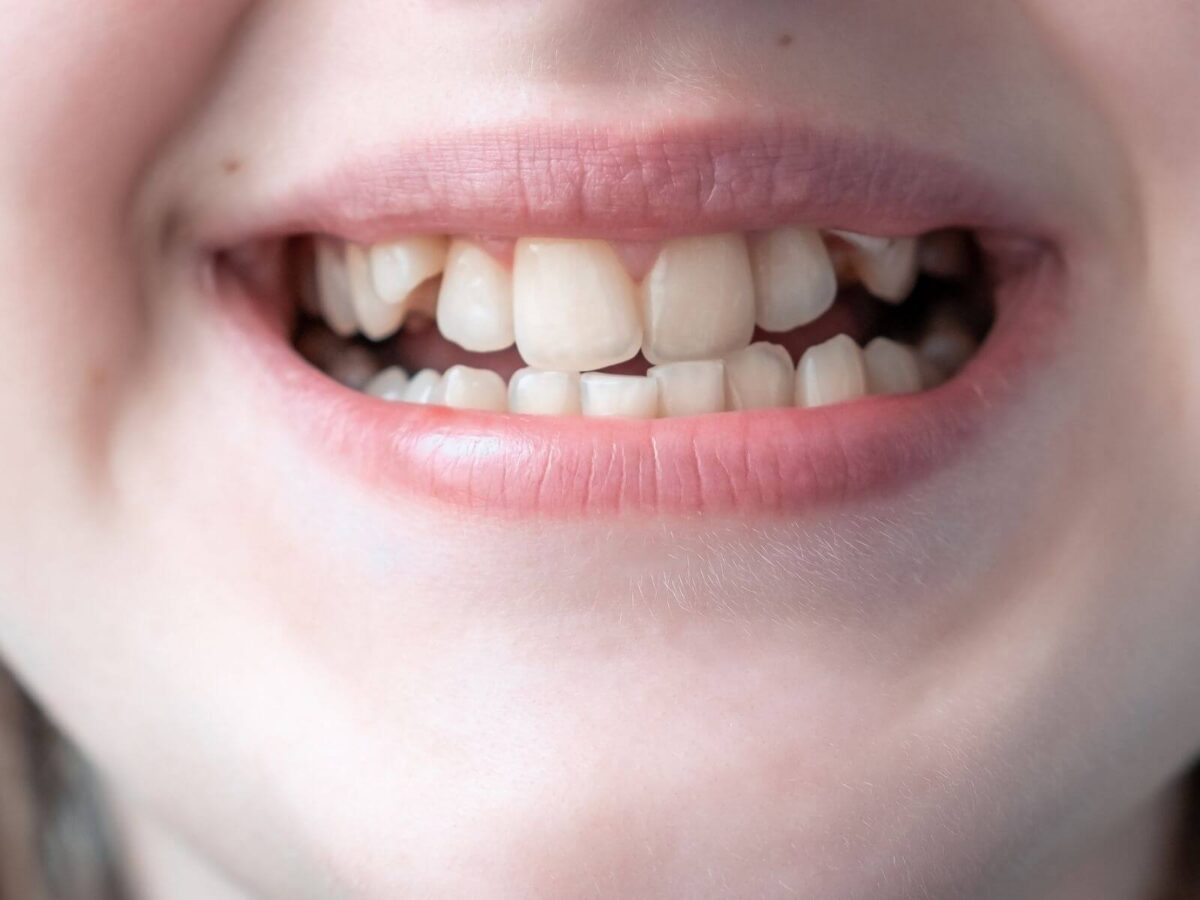
7 Common Reasons Why Teeth Become Crooked Over Time
Let’s be real for a second. Most people assume their teeth will stay exactly the same forever. Especially if they had them back when they were kids. Or if their smile looked straight for years. But then one day, they glance in the mirror and go, “Hold on… was my tooth always like that?” Or, “When did that gap start closing? Or opening?”
We see this all the time at our Mathis Dental Office in TX. Teeth move. Sometimes slowly. Sometimes fast. But they shift more than most people realize. And the big question is always: “Why is this happening?” Let’s break it down in real talk.
1. Teeth Naturally Shift Over Time
Yes. This is just a fact of life. Your teeth don’t stay locked in place forever. They’re not bolted into your jaw like screws. They’re held in by ligaments. Little fibers that act like rubber bands. These fibers let your teeth move a tiny bit when you chew. Over time, those little shifts slowly build up. Teeth drift forward. Some rotate a little. Some crowd together.
At our Mathis Dentist TX office, we call this “natural mesial drift.” That’s just a fancy way of saying: teeth like to move toward the front of your mouth as you age. It happens to pretty much everyone.
2. Not Wearing Your Retainer
Let’s be honest. Most people stop wearing their retainer way too soon. Maybe it broke. Maybe it got lost during a move. Or maybe you just stopped because life got busy. We get it. We’ve heard every retainer excuse at our Mathis Dental Office in TX.
But here’s the thing: stop wearing your retainer, and your teeth start drifting back to where they were. That’s one of the most common causes of crooked teeth in adults who had braces as kids. Your teeth don’t forget where they started. They like to drift back when no one’s watching.
3. Grinding and Clenching
Do you clench your jaw when you’re stressed? Or grind your teeth at night? You may not even realize you’re doing it. Sometimes your partner hears it. Sometimes you wake up with jaw pain and wonder why. This is called bruxism. And it can slowly push your teeth out of place. Each time you clench, you’re forcing steady strain onto your teeth. That pressure moves them.
Sometimes it pushes them forward. Sometimes it causes crowding in the front. At our Mathis Dentist, TX office, we see this in patients all the time. A nightguard can help protect your teeth. But if you don’t catch it early, grinding can undo years of orthodontic work.
4. Tooth Loss Changes Everything
Losing a tooth isn’t just about the gap you see. It changes your entire bite. If a tooth goes missing and isn’t replaced, nearby teeth start to move. They lean into the empty space. They twist. Sometimes they get loose. It’s like pulling a book off a tight, crowded shelf. The books next to it fall over. The same thing happens in your mouth.
That’s why dentists always recommend replacing missing teeth. Either with an implant, a bridge, or a partial denture. At our Mathis Dental Office, TX, we’ve seen patients who lost one molar and then, five years later, their front teeth were crowded. It’s all connected.
5. Jaw Changes With Age
This one surprises people. Your jaw isn’t the same at 50 as it was at 20. Bones shrink over time. That’s just part of aging. As your jawbone changes, your teeth get less support. This causes shifting. Sometimes the lower jaw pushes forward slightly. That might cause the front teeth to bunch up.
Other times, the jaw narrows a bit, and the upper teeth get more crooked. We see this in both men and women. It’s normal, but still mildly annoying. You had straight teeth for years. Now they’re shifting, and it feels unfair and confusing.
6. Childhood Habits That Stick Around
Some of the causes of crooked teeth actually start early in life. Thumb-sucking is a big one. Tongue thrusting is another. Even mouth breathing can cause alignment issues if it goes on too long. These habits can push teeth forward. Or make them tilt. Or lead to bite issues that slowly get worse. Sometimes kids stop the habit, but the effects linger into adulthood.
At our Mathis Dental Office in TX, we help parents catch these things early when possible. But even adults can still deal with the results years later.
7. Gum Disease Can Shift Teeth
Gum disease isn’t just about bleeding gums or bad breath. It impacts your bone and tooth structure. When the bone breaks down around your teeth, they get loose. And loose teeth move. They drift forward. They tilt inward or outward. Sometimes they even flare out, creating gaps where there weren’t any before.
At our Mathis Dentist, TX office, we’ve had patients come in worried about shifting teeth. After a checkup, we discover it’s actually gum disease causing the problem. That’s why cleanings and checkups matter. It’s not just about cavities. It’s about protecting your whole mouth structure.
Final Thoughts
Teeth move. It’s just part of life. Even if you had braces before. Even if you’ve always had straight teeth. Shifts can happen slowly over the years. Or suddenly after a lost tooth or a stressful period of grinding.
At our Mathis Dentist TX office, we see it every day. Sometimes it’s barely noticeable at first. Maybe one tooth starts to lean. Or your bite doesn’t feel the same. Small changes like that can lead to bigger ones later.
So if you’re noticing changes. Don’t stress. But don’t ignore it either. We’re here to help. No judgment. No pressure. Just real answers about your teeth and how to keep them healthy.