Blog
Dental hygiene tips for healthy teeth & gums
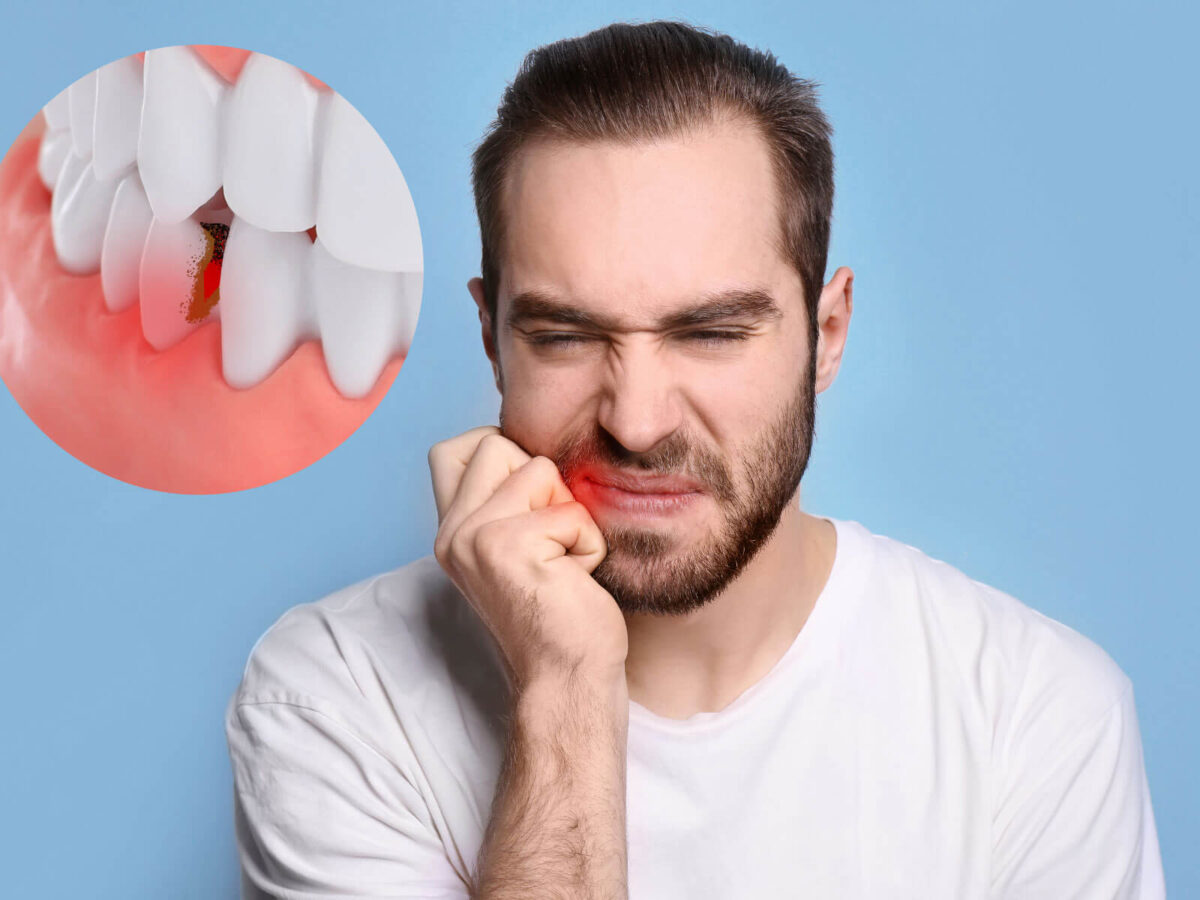
Swollen Gums: Causes, Treatments & When to See a Dentist
My neighbor had one spot on her lower gum puff up for three days straight, right next to a molar with an old filling. She figured it’d settle down on its own, the way a canker sore does. It didn’t. By the time she called her dentist, it had turned into an abscess bad enough that she needed antibiotics before any actual dental work could happen.
That’s really the first thing worth sorting out with gum swelling. One spot, or the whole mouth. The difference changes what you should actually do about it.
What’s Actually Behind the Swelling
Most of the time it’s gingivitis. Cleveland Clinic’s page on swollen gums puts it plainly – plaque buildup irritates the gum tissue. But the same page runs through a longer list too – hormonal shifts, certain medications, diabetes, an oral appliance that doesn’t fit right, or something as small as a stray piece of popcorn stuck under the gumline.
That’s a wider net than most people expect. A lot of people assume swollen gums automatically mean poor brushing, and then feel embarrassed bringing it up at a cleaning. Half the causes on that list have nothing to do with hygiene at all.
Swelling that hangs around isn’t something to guess at from a list like this one. It’s worth an actual look, ideally before it turns into what my neighbor dealt with.
One Tooth or Everywhere: Does It Matter Which
One tooth swelling on its own isn’t the same problem as swelling across the whole mouth. Knowing which one you’re dealing with matters before a dentist even walks in the room.
Localized swelling usually points to something specific happening right there. Sometimes it’s food wedged where it shouldn’t be.
Sometimes it’s decay working its way under an old filling, or the very early stage of an abscess. If it’s showing up near a wisdom tooth, Cleveland Clinic has a name for a common culprit there: pericoronitis, a tooth that never fully broke through the gum, trapping bacteria underneath the tissue covering it.
Swelling across the whole mouth is a different story. That’s usually gingivitis or periodontitis, plaque causing damage broadly instead of at one site. Which pattern you’re dealing with changes what a dentist actually needs to look for.
What Gingivitis Swelling Actually Looks Like
Gums that used to look pale and firm start turning red and a bit shiny. They puff up slightly along the edge, and brushing suddenly draws a little blood where it never used to. Cleveland Clinic ties this directly to plaque and tartar buildup, the tissue reacting to what’s collected along the gumline.
A professional cleaning fixes it. So does sharper brushing, kept up for a couple of weeks. Skip both, and the problem doesn’t stay put. Mayo Clinic describes the next stage, periodontitis, as damage that reaches soft tissue and the bone underneath the teeth, the kind that can eventually cost a tooth for good.
How Can Gums Swell Without Poor Brushing Being the Cause
Hormones do this on their own sometimes. Pregnancy floods the body with estrogen and progesterone, and gums get extra blood flow along with everything else, enough to swell without a speck of plaque involved. Cleveland Clinic lists menopause right alongside pregnancy as a trigger that works the same way.
Medications and health conditions matter too. Blood pressure drugs, certain anti-seizure medications, and diabetes can all raise the risk, none of which is tied to hygiene.
Wisdom teeth are their own case entirely. A tooth stuck halfway through the gum traps food and bacteria underneath, causing localized swelling that tends to show up right on schedule, late teens through the early twenties, one more version of gum swelling around a tooth that has nothing to do with brushing.
What Actually Helps While You Figure Out What’s Going On
Skipping a sore spot when you brush feels like the right call. It isn’t. Plaque keeps sitting there whether you’re gentle with it or avoid it entirely, and dodging that area just buys it more time.
Salt water works better than most people expect. A warm rinse a few times a day cuts bacteria and takes the edge off the soreness. Staying hydrated matters too, something Healthline points to directly, since saliva does its own quiet cleanup work all day when there’s enough of it around.
A cold compress calms sharp, swollen spots. A warm one helps with general achiness. Try either and see what actually works for you.
This is comfort, not treatment. Whatever’s actually causing the swollen gums is still there underneath, and a dentist is the only one who can address that part.
When This Stops Being a Wait-It-Out Situation
Two weeks is the marker. Cleveland Clinic points to that timeframe for swelling that hasn’t responded to normal brushing and flossing. Past that point, whatever’s happening isn’t something a toothbrush is going to fix on its own, and waiting longer just gives it more room to get worse.
A few signs skip the two-week rule entirely – visible pus, a fever, swelling that’s started spreading into the face, or pain sharp enough to keep someone up at night. None of that should wait for a scheduled cleaning down the road. Call the same day it shows up, even if the swelling itself only started a day or two ago.
Delay is really what turns a manageable problem into a bigger one. A dentist catching this early usually means a quick cleaning. Catching it late can mean antibiotics have to happen first, before any actual dental work is even possible.
What a Dentist Actually Does From There
Treatment depends on the cause, which is exactly why a list like this one can’t replace an actual visit. Gingivitis usually just needs a cleaning, plaque and tartar removed, and the swelling tends to settle within a couple of weeks after.
Periodontitis needs more. Scaling and root planing clean below the gumline where a regular cleaning can’t reach.
An abscess gets drained, sometimes with antibiotics first if the infection’s spread beyond the immediate area, which is exactly what my neighbor needed once she finally went in. Pericoronitis might mean removing the gum flap trapping debris, or in a more stubborn case, pulling the wisdom tooth causing the problem entirely.
How Do You Keep Gum Swelling From Coming Back
Brush twice a day. Floss once. That’s most of it, done consistently over time.
Still see your dentist twice a year even if brushing’s going well. Plaque hardens into tartar no matter how careful someone is, and only a cleaning gets that off.
Tell your dentist about anything new. New medication, diabetes, perimenopause starting. It matters for how often you should come in, sometimes more than twice a year.
Got a mouthguard or retainer? Check the fit. A spot that keeps swelling in the same place usually means something’s pressing wrong there. Salt water won’t fix that. Only an adjustment will.
FAQ
Chronic stress – does it actually mess with your gums?
Yes. Not the direct cause, but it weakens how your immune system handles the bacteria that’s already there, so inflammation gets worse under stress than it would otherwise.
Pregnant and noticing swollen gums – normal or not?
Not really. Tell your dentist about it anyway. Almost always hormonal.
Swelling around just one tooth, always an abscess?
Maybe not. Trapped food does the same thing sometimes. So does a cavity in its early stages, before any infection has actually started. A dentist figures out which one in a couple of minutes flat.
Does it ever just clear up without seeing anyone?
If it’s something minor, sure, like a piece of food that eventually shakes loose on its own. Two weeks with zero improvement means it’s not going away by itself. Something else is going on.
Conclusion
Gum swelling comes from more places than people assume – plaque most often, but also hormones, medication, a stuck wisdom tooth, or an infection working underneath a filling. Figuring out which one applies changes the next step entirely, since a cleaning fixes gingivitis but does nothing for an abscess or a wisdom tooth trapped halfway through the gum.
Past two weeks, or with pus, fever, or real pain involved, that’s the point to call a dentist instead of waiting. A small problem caught early usually stays small and simple to fix. Left alone, it rarely does.
Book a consultation with your dentist and get an actual answer instead of guessing from a list online.