Blog
Dental hygiene tips for healthy teeth & gums
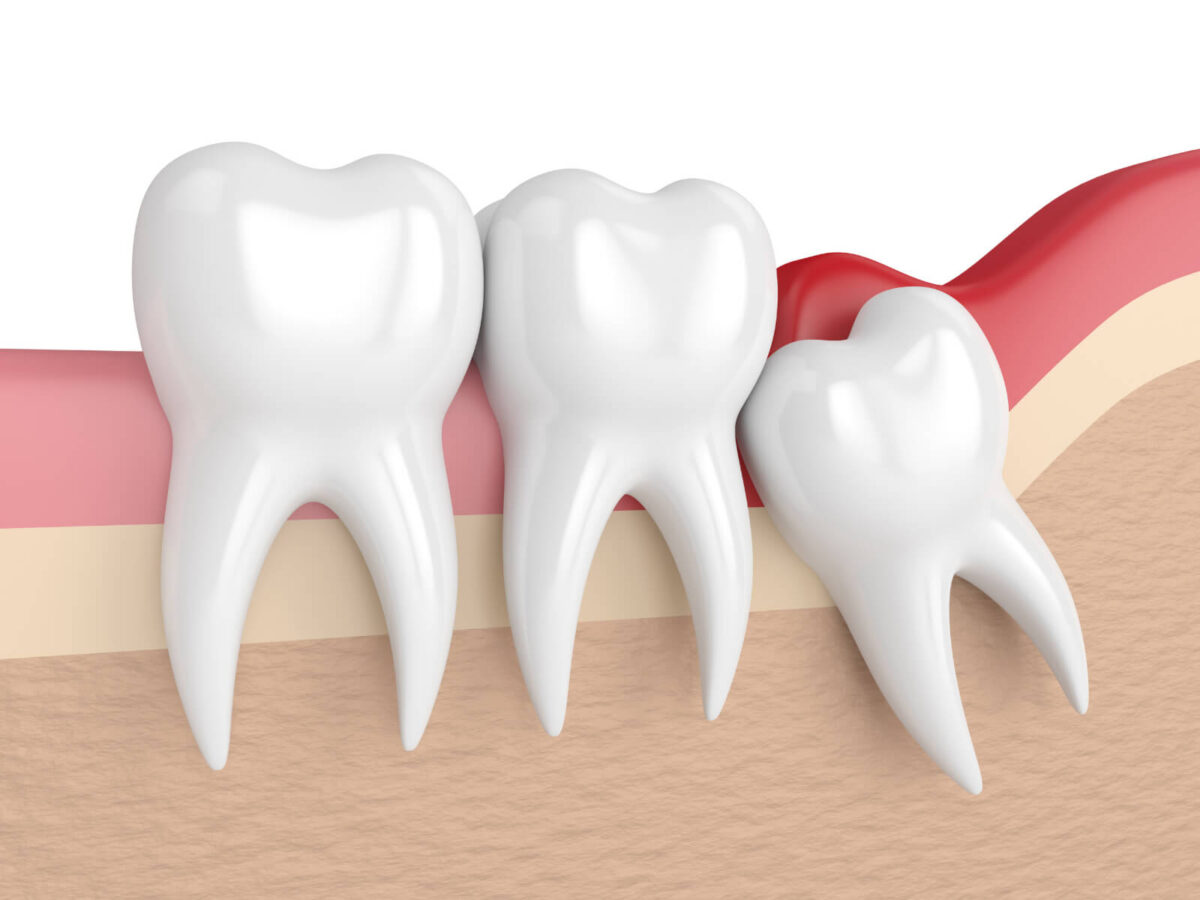
Pain Management After Wisdom Teeth Removal: Tips For A Smooth Recovery
Getting your wisdom teeth pulled? Not exactly something people look forward to. But here’s the deal—pain after surgery is normal. What matters is how you manage it.
With the right care—and a good Mathis Dentist TX—you’ll get through recovery just fine. No need to stress. It helps to know what’s coming. And what to do next. We’ll go through it step by step.
What to Expect Once Your Wisdom Teeth Are Out
Honestly, it’s not as bad as it sounds. Getting your wisdom teeth taken out might feel like a big deal. But in reality, it’s pretty normal. Dentists often take care of such problems. Seriously. It’s just routine for them. It doesn’t matter if it’s just one tooth or all four—this isn’t new to them. They’ve done it so many times, they’ve got the whole process down to a science. You’re in good hands.
Still, you’ll likely feel sore after. Maybe some swelling. Tightness in the jaw. A dull ache. Some people feel more. Others less. It depends on the person and how tricky the surgery was.
Don’t panic—this is all part of the process.
Day 1: The Numbness Wears Off
Right after the surgery, your mouth’s going to feel… off. Kind of numb. A little puffy. Not painful yet, just strange. You’ll be biting down on gauze for a while—that helps slow the bleeding. You may feel incredibly tired at first. The anesthesia tends to make people really groggy. You might just want to crash for a bit. But once that numbing starts to fade? That’s when the soreness usually kicks in.
Here’s where wisdom teeth removal pain management really kicks in.
Tip #1: Take Pain Meds Before It Hurts Bad
Don’t wait until you’re in pain. Start meds early. If your Mathis Dentist TX gave you a prescription, fill it before surgery day. That way, it’s ready when you get home.
If you’re using over-the-counter meds like ibuprofen or acetaminophen, take the first dose before the numbing wears off. It’s all about staying ahead of the pain.
Keep track of the doses. Set alarms if you have to. Consistency makes a huge difference.
Tip #2: Ice Packs Are Your Best Friend
Swelling hits fast. Ice slows it down. You can use an ice pack or put peas into a plastic bag. Wrap it in a towel and press it gently against your cheek. Do 15-20 minutes on, then 15-20 minutes off. Continue for the first two days. It’s simple and it helps.
Tip #3: Stay Propped Up
Lying flat makes swelling worse. Keep your head elevated, especially when you sleep. Use two pillows if you have to. Or sleep in a recliner. It helps with pain. Helps with drainage. And makes everything feel a little more manageable.
Tip #4: Don’t Touch the Surgical Sites
Seriously. Leave them alone. No poking. No prodding. Remember, you should let go of trying to “check” it in the mirror.
Touching or messing with the sites can lead to dry socket, one of the most painful complications after wisdom teeth extraction.
Dry socket happens when the blood clot gets dislodged. And trust us, you do not want that.
Tip #5: Follow the Soft Food Rule
This one’s big. What you eat matters.
For the first few days, stick to:
- Yogurt
- Mashed potatoes
- Applesauce
- Broth or lukewarm soup
- Smoothies (but no straws—more on that below)
Avoid anything crunchy, sticky, or spicy. You want easy-to-chew, low-effort meals. And skip hot foods early on—they can mess with clot formation.
Tip #6: Skip the Straw
Try your best not to use a straw during your meals. Sucking creates pressure in your mouth, which can dislodge the clot and cause that dry socket we talked about earlier. The same goes for smoking. If you can, avoid it completely for at least a few days.
Your mouth needs time. Let it heal.
Tip #7: Rinse, But Not Right Away
Don’t rinse your mouth for the first 24 hours. Afterwards, rinse the area with warm salt water several times every day. It helps keep the area clean. Just don’t swish hard—go easy. Avoid commercial mouthwashes. They’re too strong and can irritate the tissue.
A dentist at a local Mathis Dental Office TX will usually give you exact rinse instructions. Follow them closely.
Tip #8: Rest. For Real.
Give yourself time. Don’t rush back into work or the gym. You just had oral surgery. That’s a big deal. Even if you feel “comfortable”, your body is still recovering. Take naps. Watch movies. Sip broth. Your body will thank you.
What If the Pain Gets Worse?
Some discomfort is normal. But pain should ease over a few days, not get worse.
Call your Mathis Dentist TX if you notice:
- Sharp, sudden pain after day 3
- Pus or foul smell
- High fever
- Trouble swallowing or breathing
- Bleeding that doesn’t stop
These are signs that something’s off. Don’t wait. Let your dentist check it out.
How Long Does Recovery Take?
For most people, it takes about a week to feel normal again. Swelling goes down by day 3. Pain fades by day 5. You’ll likely be back to soft solids and normal sleep within a week.
The holes where your teeth were will take a little longer to close completely. But as long as there’s no pain or swelling, you’re on track.
Final Thoughts
Wisdom tooth surgery sounds worse than it is. Yes, it’s uncomfortable for a few days. Yes, you’ll be eating mashed potatoes and babying your jaw.
But with the right wisdom teeth removal pain management, and the right care from a skilled Mathis Dentist TX—recovery is smoother than most expect. Be patient with yourself. Follow the tips and don’t be afraid to ask questions.