Blog
Dental hygiene tips for healthy teeth & gums
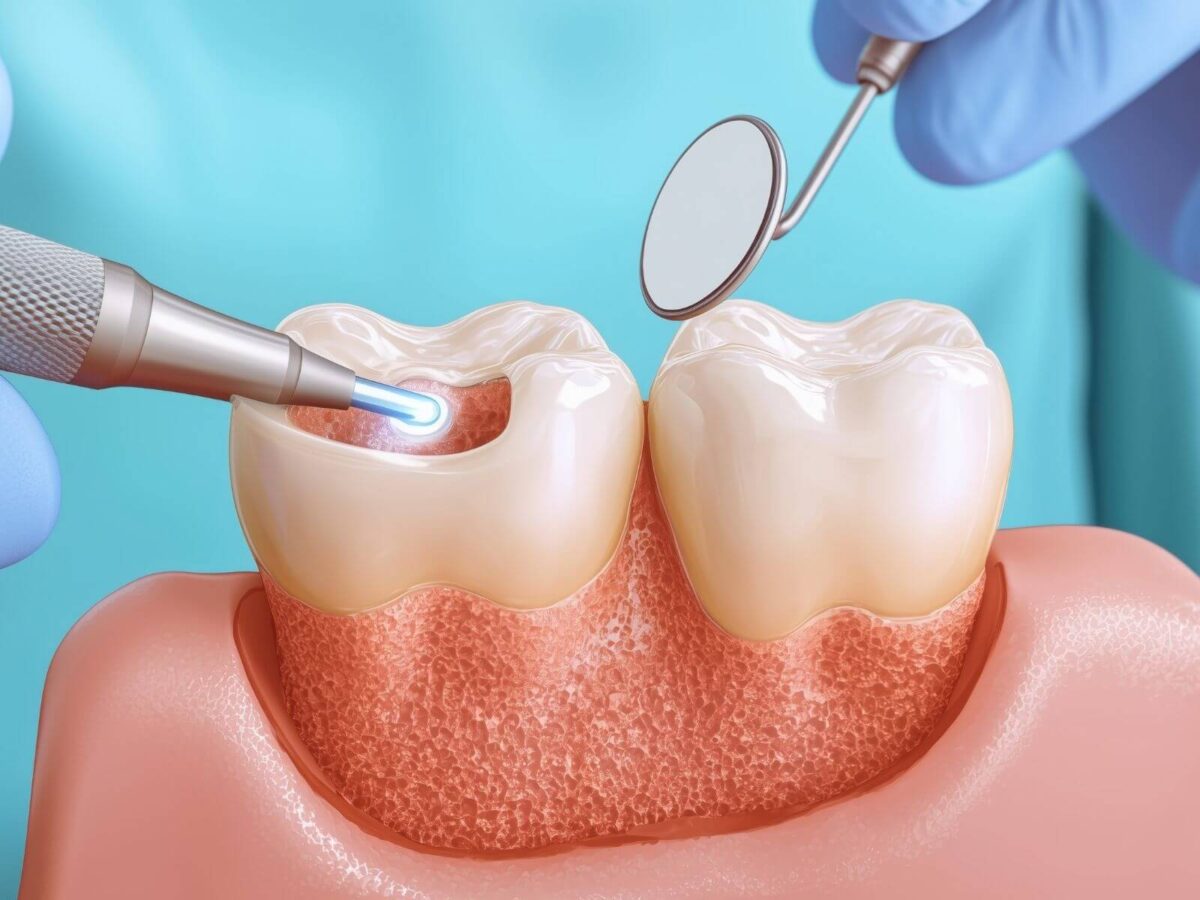
Tooth Filling Cost in 2026: Prices by Material and Insurance
Most people walk into cavity appointments expecting a pretty straightforward bill. Then the treatment estimate gets printed out, and the conversation changes direction fast. Composite filling or metal filling. A small cavity or a larger one near the molar. Insurance coverage, deductibles, and upgraded materials. The details start stacking onto the appointment pretty quickly.
Questions about tooth filling cost usually start once the dentist points out decay on an X-ray or during an exam. A lot of patients search “how much does a tooth filling cost” afterward, while trying to compare prices, materials, and what insurance may actually cover.
According to the Centers for Disease Control and Prevention, over 90 per cent of adults ages 20 to 64 have had dental caries in permanent teeth.
Why Tooth Filling Prices Vary So Much
The location of the cavity changes everything financially. Small fillings on front teeth usually cost differently compared to large molar restorations involving multiple surfaces. The filling material matters heavily, too. White composite fillings generally cost more than older silver amalgam fillings in many offices.
The tooth filling cost also changes depending on local overhead, insurance contracts, and whether X-rays or exams become part of the same visit. The numbers shift around pretty quickly.
White Composite Fillings Usually Cost More
Composite fillings became popular mainly because they match the tooth much better than silver materials. Patients usually prefer tooth-colored restorations now, especially near the front of the mouth. Dentists place them constantly during routine cavity appointments.
The tooth cavity filling cost for composite materials tends to run higher than that of amalgam fillings in many dental offices. A small filling may cost around $150 in many offices. Larger fillings can sometimes cost around $400 or $500, once more of the tooth needs restoration.
Silver Amalgam Fillings Still Exist
A lot of patients assume silver fillings disappeared years ago. They really did not. Amalgam restorations still get used in some dental offices. They are mainly used on larger molars where chewing pressure stays heavy. Certain dentists continue to prefer them for durability on back teeth.
That can affect the tooth filling cost with insurance, too. Amalgam fillings are often cheaper than composite materials, with many costing somewhere around $100 to $250. Insurance plans sometimes cover a larger portion of silver fillings compared to tooth-colored restorations.
The American Dental Association has stated that dental amalgam has been used in restorative dentistry safely for more than a century.
The Number Of Tooth Surfaces Matters More Than People Expect
Filling costs usually change depending on how much of the tooth needs repair. A small one-surface filling costs less than a larger restoration spread across several areas of the tooth. Once decay reaches the chewing surface and side portions together, the appointment becomes longer, and the filling gets bigger too.
A lot of patients hear terms like MOD filling or two-surface composite and have no idea what they mean at first. The tooth filling cost tends to rise pretty quickly once multiple surfaces on a molar need treatment.
Front Tooth Fillings Can Become More Expensive Too
People often assume front tooth cavities should cost less because the teeth are smaller. The cosmetic side changes things quite a bit, though. Matching the shade correctly and shaping the filling naturally usually takes more precision on visible teeth.
The final tooth cavity filling cost can end up higher than expected because of that. Front tooth composite fillings often cost somewhere between $200 and $500 in many dental offices. Teeth near the smile line usually require more cosmetic shaping and shade matching.
How Filling Costs Change Without Insurance
The difference between insured and uninsured pricing becomes noticeable quickly. A lot of patients without dental coverage end up paying separately for exams, X-rays, and the filling itself during the same visit. The tooth filling cost without insurance may range from under $150 for small amalgam fillings to several hundred dollars for larger composite restorations.
More complicated fillings push the total even higher. Especially if decay reaches close to the nerve.
According to FAIR Health Consumer dental cost databases, restorative dental procedures show significant regional price variation across the United States.
Tooth Filling Cost With Insurance Depends On The Plan
Insurance discussions get confusing pretty fast, honestly. Some plans cover basic fillings at 70% or 80% after deductibles. Others downgrade coverage toward amalgam fees even when patients choose white composite materials instead. That leaves patients paying the difference.
The final tooth filling cost with insurance depends heavily on annual maximums, waiting periods, and network participation, too.
People often expect insurance to eliminate most costs automatically. That usually changes after reading the breakdown carefully.
Deep Cavities Usually Increase The Cost
Deeper cavities complicate things. Protective liners or medicated materials sometimes become necessary once decay approaches the nerve closely. Dentists may recommend crowns later if the remaining tooth structure becomes too weak after removing extensive decay.
That changes the financial discussion immediately. A filling that originally seemed simple starts moving toward larger restorative work instead.
According to the NIDCR, untreated cavities remain among the most common chronic conditions affecting both children and adults.
Ceramic And Gold Fillings Cost Much More
Ceramic and gold fillings are much more expensive than standard composite restorations. They are not usually placed directly during one visit, either. Many cases involve lab work, impressions, digital scanning, and a second appointment before the restoration is bonded into place.
The final tooth cavity filling cost for these materials can easily become several times higher than regular fillings. Ceramic inlays and gold restorations often range from around $800 to a few thousand dollars, depending on the case itself.
Why Emergency Fillings Sometimes Cost More
Emergency dental visits shift pricing, too. Same-day pain appointments occasionally involve after-hours scheduling, emergency exams, temporary fillings, or additional imaging. The actual cavity may already be large by the time the patient arrives. Pain usually changes treatment urgency pretty quickly.
People who delay small cavities for years often notice the financial difference later, once emergency treatment becomes necessary.
Fillings Do Not Last Forever
Patients sometimes expect fillings to stay permanent indefinitely. They do not. Older fillings wear down gradually over time. Edges leak. Cracks form underneath occasionally. Large restorations, especially, tend to require replacement eventually. The lifespan varies heavily depending on grinding habits, cavity size, and oral hygiene patterns. Some of the last decades. Others do not.
According to the ADA, recurrent decay around existing restorations remains one of the leading reasons fillings eventually require replacement.
FAQs
What do small fillings usually cost?
Small fillings often fall somewhere between $100 – $300. Composite fillings on visible front teeth sometimes run higher than that.
What changes the tooth filling cost without insurance the most?
The filling material matters a lot. A deeper cavity usually costs more, too. Office location and the number of tooth surfaces change the estimate pretty quickly.
Does insurance fully pay for fillings?
Only part of it. Many plans help cover basic fillings after deductibles are applied.
Why can the tooth filling cost with insurance still feel expensive?
Some plans only partially cover composite fillings on back teeth. A lot of the final cost depends on deductibles and yearly insurance limits as well.
What does cavity filling cost look like in 2026?
A lot of fillings still fall between roughly $150 – $500. It depends on the material and cavity size.
Conclusion
Questions about tooth filling cost seem simple initially until people realize how many variables affect the final estimate.
The material, cavity size, tooth location, insurance coverage, and even the number of tooth surfaces involved all shift pricing fairly quickly. Searches for “how much does a tooth filling cost” usually lead to wide price ranges online because no two fillings really stay identical once the treatment details change.
The biggest financial difference often comes down to timing, though. Smaller cavities usually remain simpler and cheaper to restore, while delayed treatment tends to push the tooth cavity filling cost much higher once more serious damage develops.