Blog
Dental hygiene tips for healthy teeth & gums
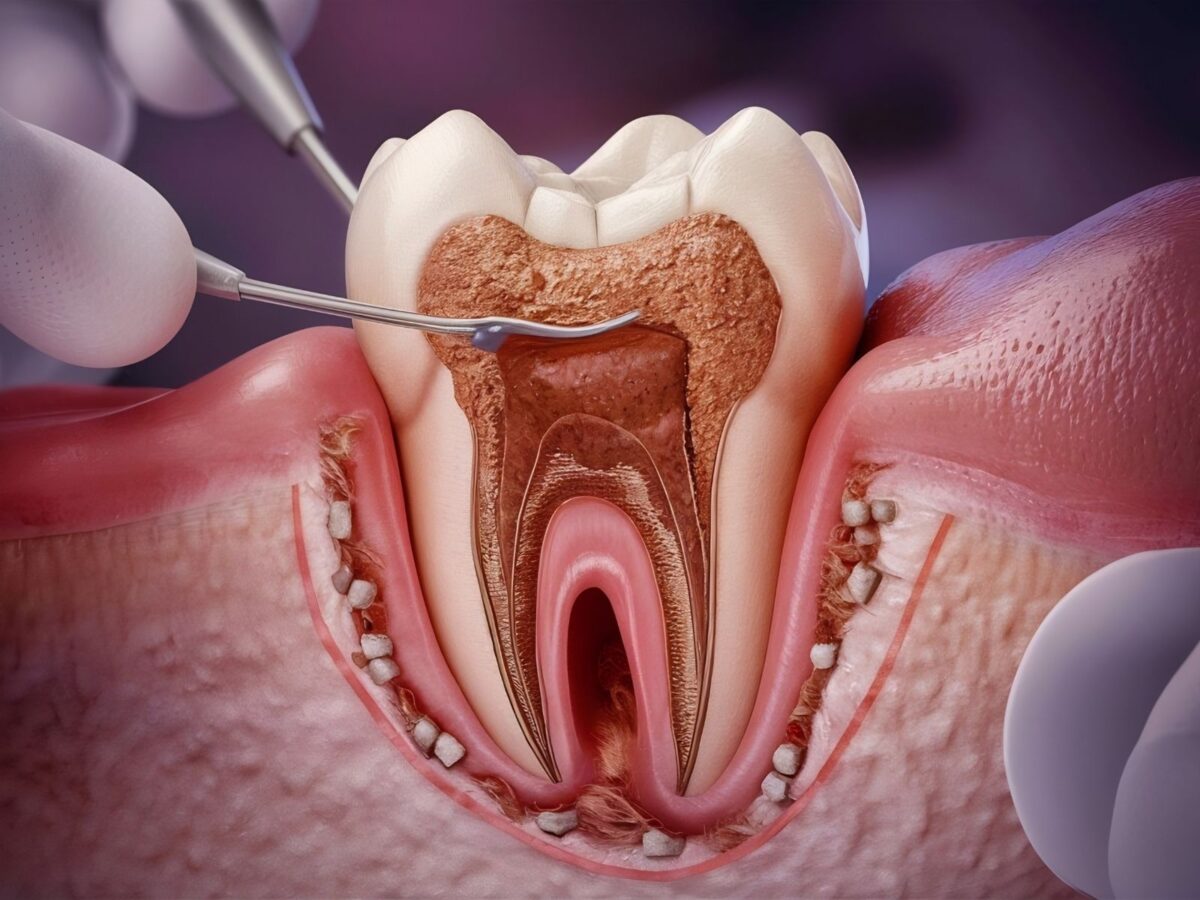
The 5 Stages of Tooth Decay: What Happens and How Each Is Treated
Tooth decay is not something most people catch early. It does not begin with discomfort or anything that feels urgent. In fact, everything usually feels fine at first. A slight change may come later, but it is often too subtle to take seriously.
The reason is simple. Decay builds over time. It moves through the stages of tooth decay slowly, without making it obvious that anything is changing in the early phase. That quiet progression is what makes it easy to ignore.
When it finally becomes noticeable, it can feel sudden. But it was not sudden at all. It had been developing quietly over time, without any clear signals. Thinking of it as a gradual process helps explain why it is so often missed until it has already advanced more than expected.
What Happens In The Beginning Stages Of Tooth Decay
At the beginning stages of tooth decay, there is usually nothing that stands out right away. No cavity, no pain, no obvious damage. It often feels completely normal. Faint white patches can show up on the enamel, but they are usually so small that they are often missed unless carefully examined.
This early phase involves demineralization. As plaque builds up, it produces acid. That acid begins taking minerals out of the enamel over time. It is still intact, but slightly weakened in certain areas, which is why it does not feel serious.
There is a reason this stage matters. The National Institute of Dental and Craniofacial Research explains that early enamel damage can sometimes reverse with fluoride use and good oral care before it develops further.
When A Cavity Actually Starts Forming
At some point, the enamel breaks down enough that a cavity forms. This is where the second stage of the “tooth decay stages” becomes more visible, although not always obvious at first glance. A small dark spot can show up, or sometimes a tiny hole, and still, there’s no pain. That often leads people to wait. Without discomfort, it just doesn’t seem serious at that moment.
Meanwhile, the structure of the tooth has already been affected. The surface is no longer intact, which means the damage won’t reverse on its own anymore. At this stage, a filling is usually needed to stop things from progressing further.
So while it still feels manageable, it’s no longer something that fixes itself.
What Changes When Decay Reaches The Dentin
After passing the enamel, decay reaches dentin, a softer layer that reacts more quickly. This is often when people begin to notice small changes. Cold drinks can feel sharper, and sweet foods may leave a pain that wasn’t there earlier. It doesn’t stay all the time, which makes it harder to take seriously. It shows up, then settles down, so it is easy to dismiss.
The Centers for Disease Control and Prevention notes that untreated cavities can move deeper into the tooth and begin affecting sensitivity as well as the overall structure.
This stage often sits somewhere in between. It is not severe enough to feel urgent. But no longer easy enough to ignore either.
When The Inner Part Of The Tooth Gets Involved
When the decay continues to move, it finally gets to the pulp, where the nerves are. This is where the experience changes more clearly. The pain becomes more acute and even sharp, lingering at times, and not always preceded by an obvious trigger. Simple procedures such as fillings are no longer sufficient at this level.
Removal of the infection within the tooth becomes essential, thus necessitating the root canal treatment. It is done to save the tooth. First, the damaged tissue is taken out. The tooth is cleaned properly, and then it is sealed.
According to the American Dental Association, root canal procedures are done to cure the infection within a tooth and maintain its structure. So this phase is quite unlike the previous ones, in terms of symptoms, as well as treatment.
What Does The Final Stage Of Tooth Decay Look Like
If decay continues without treatment, it can lead to an abscess. This is the most advanced stage and the one that’s hardest to ignore. Pain becomes more intense, swelling may appear, and in some cases, it can even affect overall health. At this point, it’s no longer just about the tooth. The infection can spread beyond it.
The World Health Organization says that dental problems, if left untreated, can start affecting overall health if they are left unaddressed. This includes advanced decay. By this stage, things are clearly not where they started. What began as a subtle change becomes something that requires urgent attention.
Why These Stages Don’t Feel Separate In Real Life
The stages of cavity are usually explained in a clear sequence, but that’s not really how they feel in real life. There’s no obvious point where one stage ends before the next begins. It tends to blur together. That makes it harder to recognize how much things have changed.
In the beginning, nothing seems wrong. Then something feels slightly different, almost without warning. It can seem sudden in that moment.
But the shift did not happen overnight. It developed gradually, just without drawing attention early on. By the time it becomes noticeable, the condition has usually become advanced. That is why it often feels confusing when it finally stands out.
Why The Speed Of Tooth Decay Can Vary
The pace isn’t the same for everyone. Some people remain in the early phase longer, particularly when their oral care is consistent. For others, things seem to move faster. Diet plays a role, so does sugar intake, and even saliva can make a difference in how things develop.
The stages themselves follow a general pattern, but the timing rarely does. For each person, it can play out a little differently. One might notice changes early. While the other may not realize anything until it has already progressed further than expected.
How Treatment Changes Across The Stages
Each stage comes with a different approach, and that’s where early detection really matters. In the beginning, it’s about prevention and reversal. Once a cavity forms, it becomes restorative. As it progresses deeper, the treatment becomes more involved. It moves from fillings to root canals, and in severe cases, to extraction.
If it’s picked up early, managing it is usually much simpler. That pattern stays consistent across all cases.
FAQs
What are the stages of tooth decay?
It usually starts with mineral loss. After that, enamel begins to weaken. Then dentin gets involved, followed by the pulp. And in some cases, an abscess forms later.
If it’s just starting out, can a cavity still be taken care of?
Often, yes. Good oral care and fluoride can help early changes recover before they develop into a cavity.
When does tooth decay start hurting?
Most people notice pain once dentin or the pulp is involved.
Can you see all stages of cavity?
Not really. Early stages are easy to miss and often need a dental exam to be picked up properly.
Conclusion
The stages of tooth decay don’t show up all at once. They build slowly, and early on, there’s often nothing obvious to notice. That’s usually why they get missed. Once you notice something feels different, it has likely been there longer than it seems.
Knowing the tooth decay stages can help you catch small changes sooner. Nothing obvious. Just slight sensitivity, or something that feels a little off. It’s the kind of thing people usually brush aside in the beginning.
Thinking that you might be dealing with a cavity? Get it checked. You don’t need to panic, but it shouldn’t be ignored either. A quick visit can make things clearer, and in many cases, much easier to manage.