Blog
Dental hygiene tips for healthy teeth & gums
Dental Implants vs Dental Bridges: Which Is Better?
This question almost always comes after a tooth is already gone. Not before. The gap appears, chewing feels strange, smiling feels different, and suddenly decisions feel heavier than expected. Two options usually come up quickly. Implants. Bridges. Both sound permanent. Both sound expensive. Both sound serious.
That’s when people start comparing dental implants vs dental bridges as if one is clearly better and the other is outdated. In reality, the comparison isn’t that clean. Each option exists for a reason, and neither works well in every situation.
Why These Two Options Get Compared So Often
Implants and bridges are both meant to fill in for missing teeth. So at first glance, they can seem interchangeable. They restore chewing function, close visible gaps, and improve appearance, which is why people often group them together without much hesitation.
From the outside, it’s easy to see why dental bridges vs implants gets framed like a competition. The real differences tend to show up later, when you look more closely at how each option functions and how the surrounding teeth and bone are expected to support the result over time.
How Dental Bridges Replace A Tooth
With a dental bridge, the teeth next to the gap do most of the work. They’re used as anchors to support the replacement tooth sitting in between. To make this work, the supporting teeth are usually reshaped so crowns can be placed on them. Once the bridge is cemented, it functions as a single unit.
This design explains a lot about the dental bridge vs implant, which is better, because bridges depend heavily on the condition of nearby teeth.
How Dental Implants Work Differently
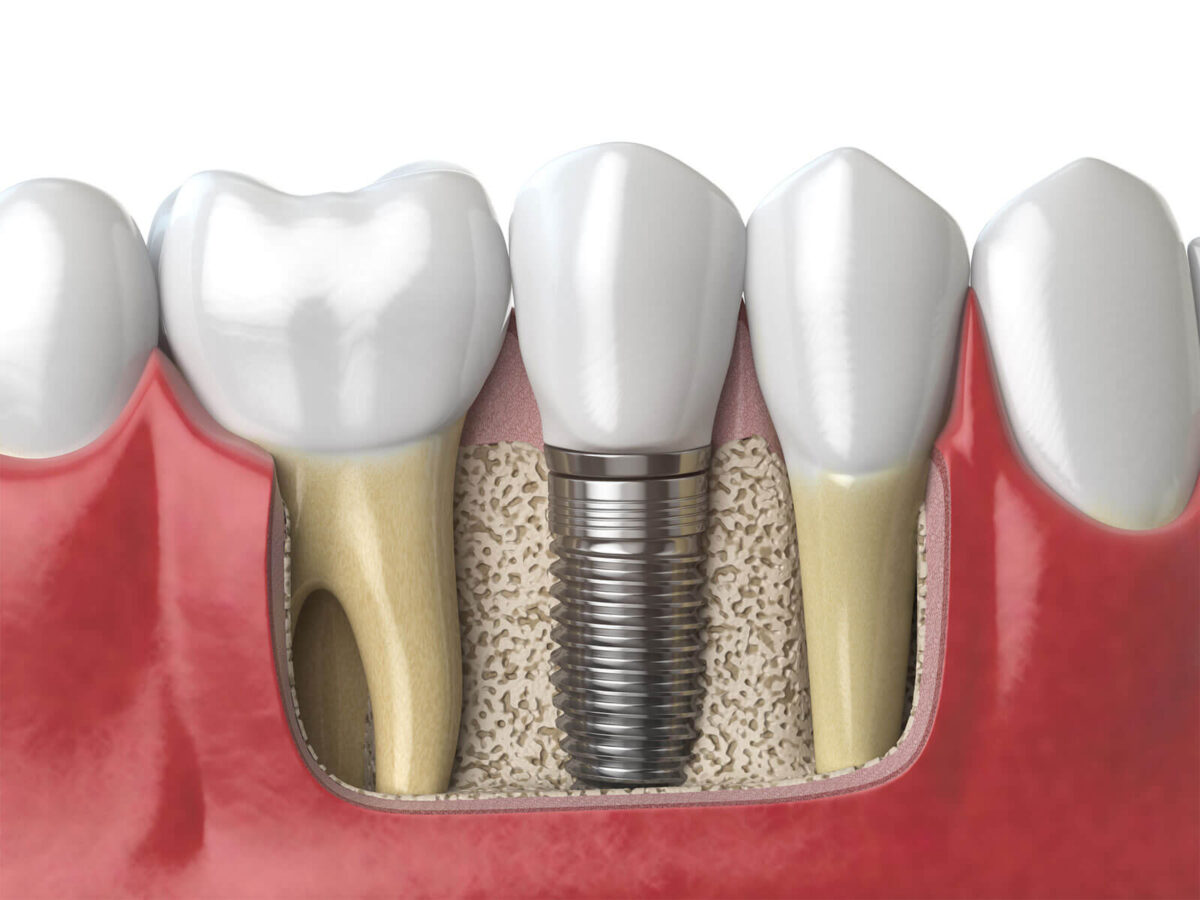
Implants don’t borrow strength from neighbouring teeth. The implant is placed into the jawbone itself. Over time, it settles in and holds the crown on its own. The teeth around it are left as they are.
When people compare dental implants vs bridges, this detail tends to matter more over time than it does in the beginning. It doesn’t always feel important right away, but it can shape how the rest of the mouth responds years down the line.
Impact On Nearby Teeth Over Time
With bridges, supporting teeth carry extra responsibility. They support chewing forces not just for themselves, but for the replacement tooth as well.
If those teeth are already weakened, that added load can become a problem years later. This is often part of the concern when people compare dental bridges vs dental implants. Implants don’t add stress to neighbouring teeth. Each tooth replacement stands on its own.
Bone Changes And Why They Matter
When a tooth disappears, the bone under it doesn’t stay as active. With less stimulation over time, it can slowly start to change and shrink.
Bridges don’t address this bone loss because nothing is placed into the jaw. Implants do. They help maintain bone volume by mimicking a natural tooth root.
This bone preservation is one of the reasons implants are often favoured in dental implant vs dental bridge discussions, especially for long-term planning.
Treatment Time Feels Very Different
One of the big differences people feel is how long everything takes. Bridges usually come together fairly quickly, from preparation to placement, without months of waiting in between.
Implants require more patience. Implants take time. Healing comes first, and the bone needs months before the final tooth is placed. For people wanting something quicker, that wait often matters when comparing dental implants vs dental bridges.
Surgical Involvement And Comfort
One of the clearest differences is that bridges don’t require surgery, while implants do. For some people, that distinction carries a lot of weight right from the start.
Some are comfortable with surgical procedures and see them as manageable, especially when long-term benefits are part of the picture. Others would rather avoid surgery if there’s a reasonable alternative. That personal comfort level often plays just as big a role as clinical advantages when people think through dental bridges vs implants.
Maintenance
Bridges can last many years with good care. Still, they may need replacement if supporting teeth develop issues.
Implants don’t lean on neighbouring teeth, which is why they’re often associated with a longer lifespan. Crowns can be replaced, but the implant itself is meant to remain. That’s part of what drives the question: dental bridge vs implant, which is better.
Cleaning And Daily Care Differences
Keeping a bridge clean can take some getting used to. Food has a way of slipping underneath, and plaque can build up if those areas aren’t reached properly. That’s why people with bridges are often shown special flossing tools to help clean where a regular brush can’t.
Implants usually feel more straightforward by comparison. You still need to do the daily cleaning, of course. But the access tends to be easier and more familiar. That day-to-day maintenance often shapes how comfortable each option feels over the long run.
Cost And Financial Planning
At first glance, bridges can appear more affordable. The starting cost is often lower, while implants usually involve higher costs early because of surgery and materials.
Later on, the situation can shift. A bridge may need replacement, and those expenses can quietly affect the overall cost. This is why discussions about money, especially with dental implants vs bridges, don’t always have a universal answer.
When Bridges Still Make Sense
Bridges get labelled as outdated more often than they deserve. In real situations, they still fit surprisingly well, especially when the teeth next to the gap already need crowns or when bone conditions make implants less predictable than they sound on paper.
They can also be the better fit for people who aren’t comfortable with surgery, or for whom surgery simply isn’t realistic. That practicality tends to fade into the background when dental bridges vs dental implants is framed as a story about old methods being replaced by new ones.
When Implants Are Often Preferred
Implants tend to make more sense when the bone is still in good shape, and the spacing hasn’t changed too much over time. In those situations, things often line up in a way that allows implants to feel stable and predictable long term, which is something many people value.
They’re also often looked at when protecting neighbouring teeth matters, or when multiple missing teeth can be replaced without forcing an awkward solution. In the right setup, implants can fit into the mouth without asking other teeth to take on extra work.
Why Early Evaluation Helps
Waiting too long after a tooth is lost can quietly change what options are realistically available later on. Tooth loss sets off changes that tend to happen quietly. The bone may gradually shrink, surrounding teeth can drift, and the space left behind can become more complicated than it first appears.
Checking things early doesn’t lock you into anything. It just gives you a clearer sense of what’s happening before time quietly narrows the path forward. That space to pause and consider often matters more than people realise.
Conclusion
People talk about dental implants vs dental bridges like there’s a clear answer hiding somewhere. Most of the time, there isn’t. It usually comes down to what the mouth can support right now and what’s likely to hold up years later.
Bridges use the teeth next to the space. Implants use bone instead. That difference is why dental bridges vs implants ends up being personal, not universal, once dental implants vs dental bridges is looked at in a real situation.