Blog
Dental hygiene tips for healthy teeth & gums
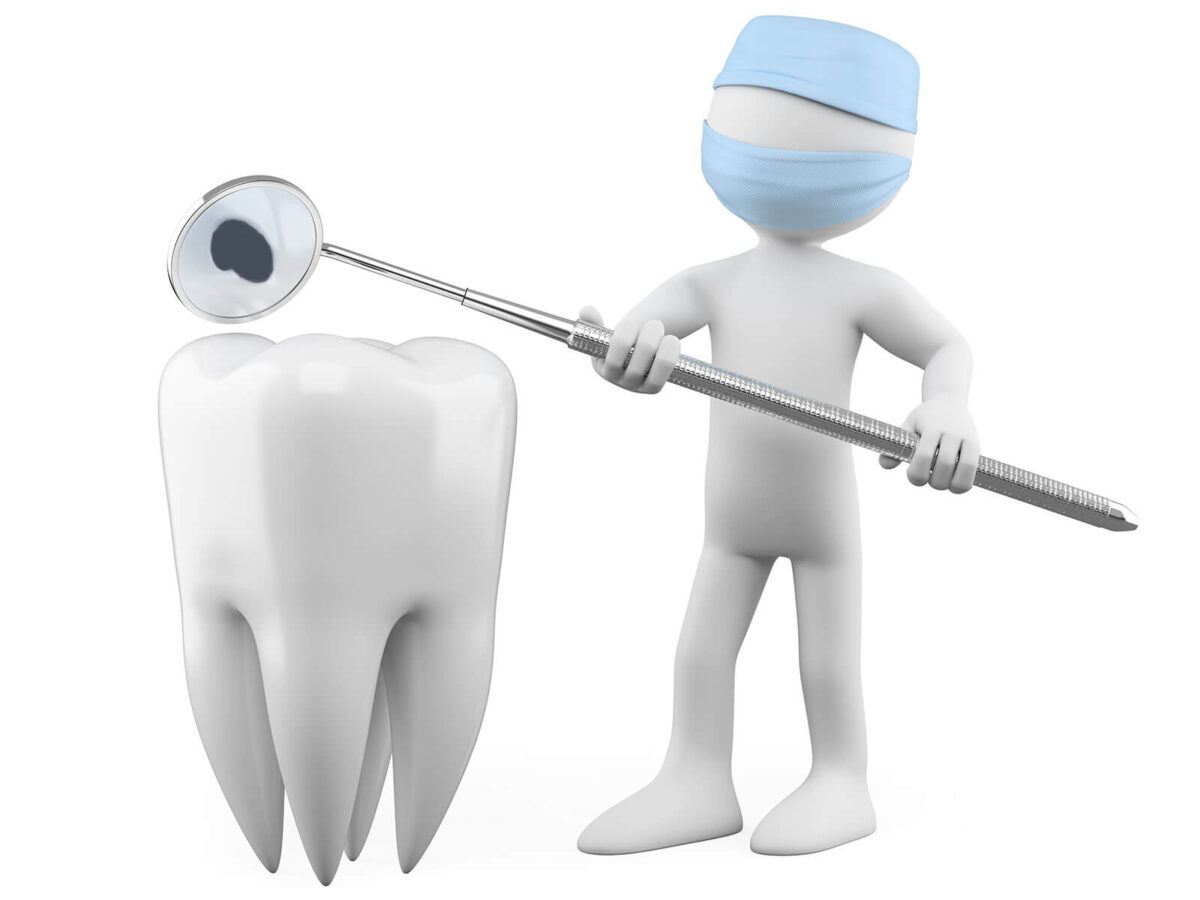
Can You Get a Cavity Under a Filling?
It sounds confusing at first. A tooth already has a filling, so it feels protected. Still, many people quietly ask the same thing during dental visits. Can you get a cavity under filling even after treatment? The honest answer is yes. It usually develops slowly rather than all at once. There isn’t always pain early on, which is why it can surprise people later.
Fillings repair damage. They do not make a tooth immune forever. Understanding how decay can return helps avoid repeat problems and bigger procedures later.
Why Cavities Can Form Under Fillings
A filling takes care of the damaged part of a tooth, but the rest of the tooth is still very much a real tooth. Bacteria can still be present even after a filling is placed. Over time, small gaps may form between the filling and the tooth, and those gaps aren’t something you can see in the mirror. Food particles and bacteria can settle there quietly.
That is how people end up asking Can you get a cavity on a filling years after treatment. The decay does not attack the filling itself. It attacks the tooth underneath or around the edges.
Another factor is age. Older fillings can wear down. Materials shrink slightly. Biting pressure changes. All of this creates conditions where bacteria find a way back in.
What Happens Under The Surface
Decay under a filling often starts deep. Enamel is already gone in that area, so bacteria reach dentin faster. Dentin is softer. Decay spreads more easily there. That is why cavities under fillings can become large before symptoms appear.
Many patients are surprised when a dentist points to an X-ray and explains Can you get a cavity under filling even without pain. Pain usually comes later, once decay nears the nerve. This hidden progression is why routine checkups matter more than people think.
Can You Get Cavities In Fillings Over Time
The filling material itself does not decay. Composite and ceramic do not get cavities. But the tooth structure touching the filling does. So when people ask, “Can you get cavities in fillings?”, the real answer is that decay forms at the margins or underneath.
Think of the filling as a patch. The surrounding surface can still weaken. If brushing or flossing is inconsistent, plaque stays longer near those edges. That area becomes vulnerable again.
Signs That May Point To Decay Under A Filling
Cavities under fillings can be sneaky. A lot of the time, there aren’t any obvious signs. No pain, no warning, nothing you’d notice right away. Other times, mild sensitivity shows up. Cold drinks may linger longer. Biting pressure may feel off, not sharp, just uncomfortable.
A dark line near the filling edge can be a clue. So can roughness where the filling meets the tooth. These are not guarantees, but they often trigger further checks.
Pain is not an early warning sign. By the time pain appears, decay is usually advanced. That is why dentists rely on exams and imaging instead of waiting for symptoms.
How Dentists Detect Cavities Under Fillings
Visual checks are only part of the process. Dentists use X-rays to look beneath the surface. They also use explorers to feel the margins. Changes in colour, texture, or fit raise concern.
This is often when patients hear the question reversed back to them. Can you get a cavity under a filling? The X-ray answers that better than guesswork.
Early detection makes treatment simpler. Small decay may only require replacing the filling. Advanced decay may need a crown. If the nerve is involved, root canal treatment becomes necessary.
Why Old Fillings Are More At Risk
Time plays a role here. Fillings aren’t meant to last forever. Materials slowly wear down, and teeth flex a little every time you chew. Hot and cold foods cause small changes too. Over the years, all of that can affect how well the filling stays sealed.
Older fillings, especially large ones, are more likely to allow leakage. That does not mean new fillings are perfect forever. It just means risk increases with time.
This explains why someone with no pain still asks, “Can you get a cavity under filling” during routine visits. Dentists watch older restorations closely for this reason.
Does The Type Of Filling Matter
Material choice plays a role, but no filling is immune. Composite fillings are popular because they blend in with the tooth colour, but they can shrink a little as they’re placed. Amalgam fillings behave differently and tend to expand and contract with hot and cold temperatures. Ceramic options are strong and stable, but they still depend on how well they’re bonded to the tooth.
Regardless of type, bacteria only need a microscopic opening. Once they enter, decay can begin again. So when people ask, “Can you get a cavity on a filling?”, the answer does not depend only on the material. It depends on the seal, hygiene, and time passing.
What Increases The Risk
- Eating often keeps bacteria active throughout the day. Sugary drinks don’t just rinse away, they sit on teeth and create acid. Poor flossing allows plaque to sit near filling edges. Grinding teeth stresses restorations.
- Even good brushing habits sometimes miss tight spaces. That is where decay likes to start. Fillings do not protect those edges from neglect.
- Risk builds quietly. No drama, no warning. Just a gradual breakdown if habits slip.
What Happens If Decay Is Found
Timing matters. When it’s caught early, replacing the old filling is often all that’s needed, and it usually stays simple. If decay is deeper, more tooth structure is lost. Crowns may be recommended to restore strength. If decay goes far enough to reach the nerve, treatment has to change. That’s when a root canal becomes the next step instead of another filling.
This progression shows why early checks matter. Replacing a filling is easier than treating an advanced infection.
Can A Filling Be Saved Once Decay Starts
Sometimes yes. Sometimes no. Minor leakage without deep decay may allow repair or replacement without major work. Extensive decay usually means starting fresh with a new restoration plan.
There is no reliable home test. Only dental exams can confirm what is happening beneath the surface. Waiting rarely improves the situation.
How To Reduce The Chances Of Repeat Cavities
Good oral hygiene helps. Brushing twice daily. Flossing carefully around fillings. Using fluoride toothpaste. Attending regular dental visits.
Dentists may recommend fluoride treatments around vulnerable areas. Diet adjustments help too. Less sugar exposure means fewer acid attacks. None of this is complicated. Small things done regularly actually matter.
The Role Of Regular Dental Visits
Pain is a late signal. Cavities under fillings often grow silently. Dentists look for subtle changes long before symptoms appear.
That is why someone without discomfort may still hear “can you get cavity under filling” answered with a yes during a routine exam. The goal is to act before pain forces urgent care.
Final Thoughts
So, can you get a cavity under filling? Yes, it can happen. Can you get a cavity on a filling? Not on the material, but under or around it. Can you get cavities in fillings? The tooth around them, yes.
Fillings repair damage. They do not freeze time. Teeth still need care. Paying attention and going for routine checks helps stop small problems from becoming big ones.
If a filling feels different or hasn’t been checked in years, it may need attention. A simple exam can confirm whether you can get a cavity under a filling that applies to your tooth. Catching decay early keeps treatment simpler and protects the tooth for the long run.