Blog
Dental hygiene tips for healthy teeth & gums
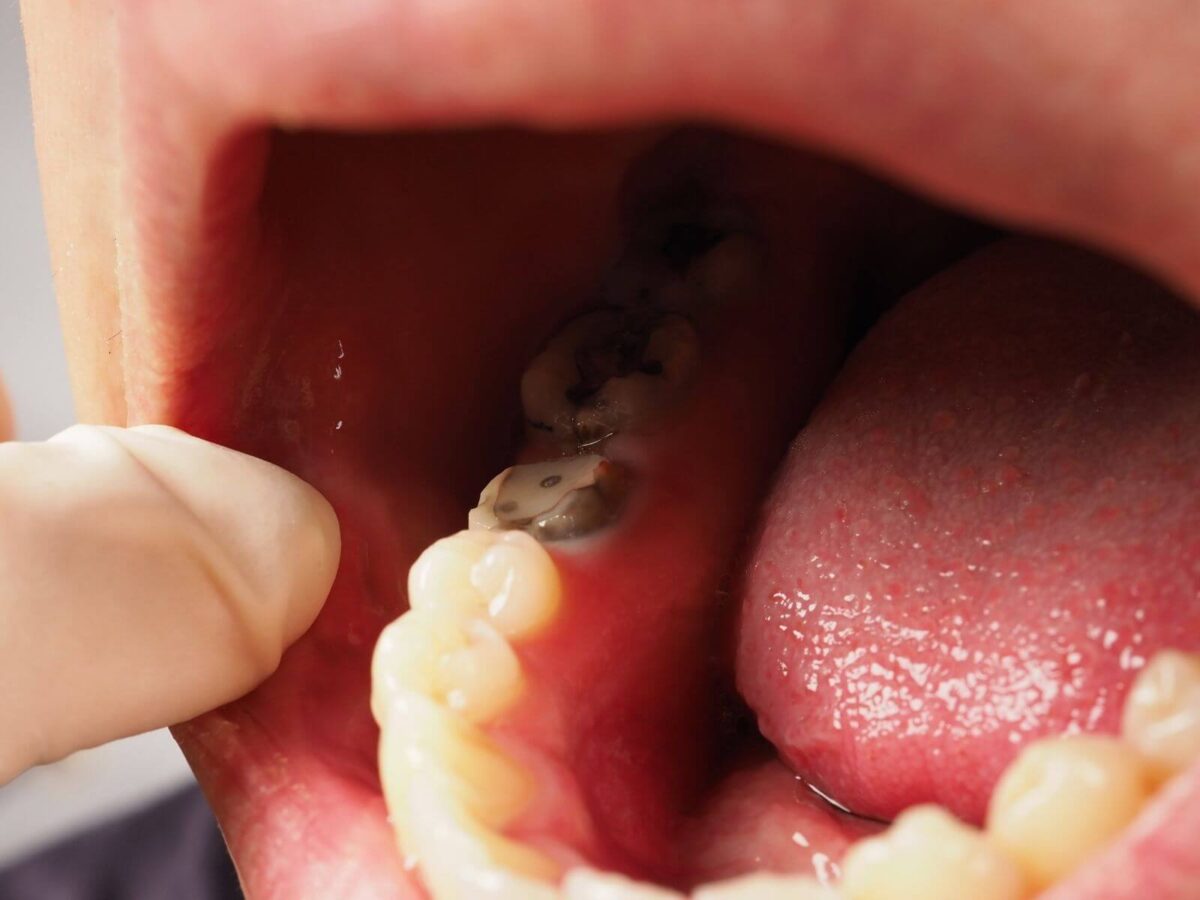
Tooth Decay: What It Is and What Causes It?
A smile usually handles everything quietly. Teeth break down food from morning to night and speak through every laugh and conversation. Then a quick sting shows up while sipping something cold. It disappears quickly, which makes it feel like nothing serious. Those small signals are easy to forget. Yet they often show the earliest steps of decay. People wonder what is tooth decay because trouble usually begins long before a cavity is visible or painful. Paying attention to tiny signs helps protect teeth before repairs become harder and more expensive.
Tooth Decay! What is it?
Tooth trouble does not start with a visible hole. It begins slowly, when enamel loses a bit of strength. That hard outer layer normally protects the tooth from heat, cold, and pressure. Once it weakens, the inside becomes easier to bother. People often wonder about tooth decay what is it because, on the surface, everything still looks fine.
Bacteria love leftover sugars. After we snack or sip something sweet, they use those sugars and release acids. That is “what is tooth decay caused by” at the very root of the problem. The acids keep weakening enamel until the tooth can no longer fix itself quickly enough. A tiny weak spot grows quietly and eventually becomes the cavity that suddenly hurts one day.
What Is The Main Cause Of Tooth Decay
Bacteria are normal in the mouth. They only cause trouble when they hang around too long. If food sticks to teeth, bacteria stay active. Sugar turns into acid. That acid keeps weakening enamel quietly. It shows what is tooth decay and how is it caused most often.
At first, enamel might still recover. But with repeated attacks, the deeper layers become exposed. Then a filling or other care is needed to protect the tooth.
Why Some Foods Make Decay Worse
Certain foods stick to teeth and make acid attacks stronger. Dried fruit can hold onto grooves in the back teeth. Candies that sit in the mouth dissolve slowly and keep sugar nearby longer than expected. Sipping a sugary drink for over an hour is one of “what is the main cause of tooth decay” in teens and adults. Every sip restarts the acid activity and reduces the time teeth have to recover naturally.
Drinks like water help wash away food quickly. Having sweets with a meal instead of on their own reduces how often teeth face acid attacks. Small choices like that keep enamel safer throughout the day.
Plaque and Tartar Working Together
Plaque is soft and clear. It begins to form again soon after brushing. If it stays too long, it hardens into tartar. Once tartar appears, bacteria gain a permanent home that a toothbrush cannot remove. That is the major cause of tooth decay that keeps showing up for people who delay cleanings.
When tartar covers the enamel, it becomes harder to stop decay. Professional cleanings remove what home brushes miss, which gives the mouth a fair chance at healing early trouble before it becomes painful.
The Role of Saliva and Hydration
Saliva protects teeth in many ways. It does more than keep the mouth moist. It clears away food and helps repair weak spots in enamel. When dryness sets in, that protection fades, acid hangs around longer, and trouble starts growing faster. Stress or medications can worsen dryness, making sensitivity show up more.
Drinking enough water throughout the day supports that natural defence. A little gum after meals keeps saliva flowing. That extra moisture lets teeth settle and fix the little changes from eating. time to rebuild and stay strong.
How Habit Shapes Tooth Strength
Teeth depend on steady care every single day. Daily cleaning between them protects the whole mouth from trouble. When brushing feels rushed, plaque hides in tiny spots that are easy to miss. A worn brush with flat bristles barely removes anything and lets the buildup stay in place. That small gap in cleaning explains what is tooth decay caused by, because bacteria stay active where plaque is left behind. Replacing a toothbrush every few months and brushing near the gums builds a stronger defence. Clean surfaces leave less for bacteria to use and fewer places where decay can quietly grow.
Why Kids and Teens Need Extra Care
Young teeth are still growing, so they can trap food in tiny spots more easily. Kids snack often, which keeps sugar in the mouth longer. Teens love sweet drinks and treats too, and those usually hang around on the teeth. All of this makes decay appear earlier if habits are not strong yet.
Helping children learn correct brushing and making water their go-to drink creates patterns that stay helpful as they grow. When families understand what is tooth decay together, smiles stay healthier at every age.
Stages of Decay and What They Feel Like
Decay moves slowly. It begins with a tiny white mark that most people overlook. Nothing hurts, so it feels harmless. But if enamel cannot rebuild itself, a small hole forms. That is often when a cold drink or a bit of pressure begins to sting.
As decay reaches deeper parts of the tooth, the nerve becomes involved. Pain shows up more often and lasts longer. People may shift chewing to one side to stay comfortable. Knowing what is tooth decay and how is it caused helps explain why dentists act early. They can protect the tooth long before the pain becomes loud.
Why Checkups Matter for Prevention
Dentists can spot early decay long before someone feels it. X-rays show changes hiding between teeth or under the surface. Cleanings remove tartar that brushing can’t handle at home. They look for quiet warning signs and share ways to keep enamel strong.
Most people don’t notice small shifts by themselves. A checkup gives guidance and peace of mind. Treating early damage saves more of the natural tooth and helps prevent what is tooth decay caused by from progressing too far.
Everyday Protection That Really Works
Decay slows down when the basics happen every day. A gentle brush morning and night sweeps away most buildup. Taking a moment to clean between the teeth keeps food from settling in and turning into acid later. Choosing water during the day keeps the mouth comfortable and lets saliva do its job.
Fluoride toothpaste adds strength where teeth need it. Sealants cover the deep grooves that catch crumbs. It isn’t about doing every step perfectly. It is simply giving your teeth a little care every day so they stay strong.
Make Prevention Part of Today
A quick visit to the dentist helps check for early changes before discomfort begins. Asking questions and adjusting daily care protects the smile from surprise problems. Putting a checkup on the calendar keeps the mouth on track and offers peace of mind that everything is healthy and headed in the right direction, and you just feel better knowing someone checked everything carefully.